Get AI Briefings, Transcripts & Alerts on Local & National Government Meetings — Forever.
Belmont council hears self‑funded health plan option as UnitedHealthcare renewal looms
Loading...
Summary
HUB International told Belmont City Council that steep claims volatility and the League of Municipalities trust closure left the city with a single full‑coverage bid from UnitedHealthcare; HUB presented a self‑funded, Pareto captive stop‑loss model that could limit rate volatility and reduce pharmacy spend while requiring a larger first‑year budget outlay.
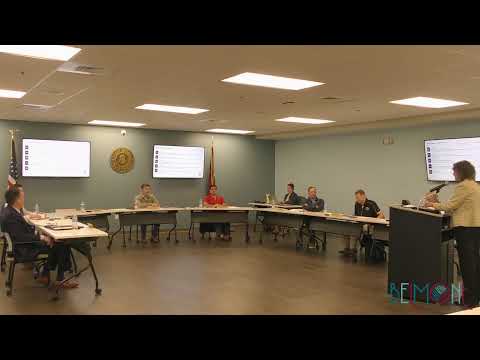
Belmont City Council on March 16 heard a detailed presentation from HUB International outlining alternatives to the city’s fully insured employee health plan after the North Carolina League of Municipalities closed its insurance trust in 2025, compressing the procurement timeline.
Hannah (city staff) told the council the closure left Belmont suddenly market‑exposed and, because of a poor two‑year claims history, UnitedHealthcare was the only major carrier offering full coverage. Donna Nixon, senior vice president at HUB International, said the city’s loss ratios have been volatile — "loss ratios as high as 358%" in some months — and that actuaries are projecting renewal increases in the 25–50% range for the coming July–June plan year if the city remains fully insured.
The presentation focused on a self‑funded alternative using a Pareto Health captive for stop‑loss protection. Under the model HUB described, the city would fund a claims account (pay‑as‑you‑go), retain a third‑party administrator (TPA) to process claims and preserve a provider network, and purchase stop‑loss insurance through the captive to cap exposure on large individual claims and on aggregate annual spending. Donna Nixon said Pareto’s contracts commonly include "no new laser" provisions (preventing retroactive removal of a claimant) and negotiated rate caps intended to limit renewal volatility.
HUB also flagged pharmacy costs as a key driver of the city’s expense, saying pharmacy accounted for about 37% of total claims in a July–November 2025 sample and that moving to a pass‑through pharmacy benefit manager (PBM) could yield 20–40% reductions in pharmacy spend. Donna Nixon said carrier arrangements today direct manufacturer rebates to the carrier or PBM (OptumRx in the city’s ID cards) rather than to the employer; a pass‑through PBM would return rebates to the city and improve transparency.
Presenters walked the council through illustrative financial models from Pareto estimating an "expected" yearly spend of about $1.8 million and a funded maximum of roughly $2.3–$2.5 million depending on covered lives; HUB recommended budgeting to the maximum in year one to protect against early volatility. Hannah and Donna summarized current enrollment as roughly 190 employees (148 employee‑only, 33 child, 7 spouse, 2 family) and emphasized that dependent premiums can consume a large share of pay for lower‑paid employees.
Council members asked for modeling on salary‑tiered contribution approaches, wellness incentives and how quickly municipalities typically realize savings after switching to self‑funding; HUB said pharmacy savings generally appear immediately and that many groups begin to see more material net savings within about three years while cautioning the transition requires sustained employee education and administrative setup. Donna Nixon said HUB will run parallel negotiations with UnitedHealthcare and other carriers, and will craft a stop‑loss proposal through Pareto, with a target to present full options to city leadership by early May and be ready for open enrollment by late May.
No formal action was taken on the proposal during the workshop. The council thanked HUB and city staff for the analysis and will await the UnitedHealthcare renewal expected in April before deciding whether to pursue the self‑funded captive route or remain fully insured.
The council adjourned the workshop after the presentation.