Get Full Government Meeting Transcripts, Videos, & Alerts Forever!
Get email alerts on the Data Centers topic
No spam. Unsubscribe anytime.
Lee County to consider moratorium on data centers and fracking after hours of public comment
Summary
Following presentations from environmental and economic experts and more than two hours of public comment urging a pause, the Lee County Board of Commissioners directed staff to prepare options for a moratorium on data center development and related fracking, to be discussed at an April 6 work session.
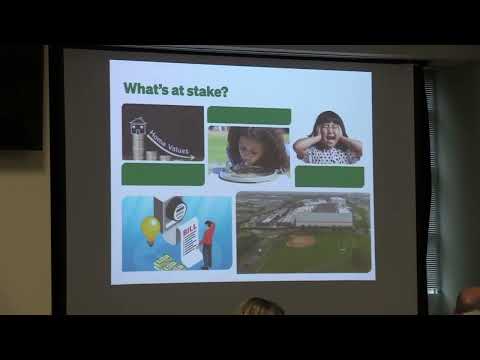
Brooks Rainey, a senior attorney with the Southern Environmental Law Center, told the Lee County Board of Commissioners on March 16 that rapid data center growth driven by artificial-intelligence demand has outpaced local regulatory frameworks and that a temporary moratorium would give county leaders time to study impacts and update the county’s Unified Development Ordinance.
"A moratorium would give county leaders time to study the impacts of data centers on Lee County and to implement protections to mitigate the negative impacts," Rainey said, listing concerns including grid capacity, water use, noise, and emissions. He described procedural requirements for a defensible moratorium and referenced recent state and federal case law and guidance about reasonable durations.
Jimmy Randolph, representing the Sanford Area Growth Alliance, urged careful vetting rather than reflexive rejection. Randolph said modern, responsibly developed data centers can be compatible with local industry if projects demonstrate adequate power and water assurances, use air‑cooled closed‑loop systems when appropriate, meet noise and light mitigation standards, and commit to paying costs for required utility upgrades.
More than two dozen residents who signed up for public comment urged the board to pause approval for any data center proposal that could involve hydraulic fracturing or heavy water use. Julius Sherrick, who lives on the Deep River, cited concerns about private wells and asthma in his family and asked the board to "vote for a moratorium." Kyle Winters and others questioned the longevity and tax benefits of small or newly formed developers such as the company identified as Deep River Data.
Faced with the expert briefings and sustained public comment, Commissioner Reeves moved to "have staff bring information and have a discussion on a potential moratorium against data centers and fracking" at the board’s April 6 work session for later consideration. The board approved that motion by hand/voice vote.
Why it matters: data centers require large, continuous power and in some designs substantial water for cooling; local officials raised concerns about who would pay for grid upgrades, how water withdrawals would affect wells and rivers, and whether a company’s tax and employment promises would materialize. The staff‑driven process the board approved will require findings, public hearings, and recommendations before any ordinance would be adopted.
What’s next: Staff will prepare legal options, suggested findings, and timelines for a moratorium discussion at the April 6 work session. Commissioners indicated they expect a public hearing before any ordinance adoption. The board did not adopt a moratorium at the meeting; it voted to bring back options for further public consideration.