Lifetime Citizen Portal Access — AI Briefings, Alerts & Unlimited Follows
Presiding judge tells Lynnwood council the court is overwhelmed by filings and will proactively vacate 'Blake' convictions
Loading...
Summary
At a March 18 work session, Lynnwood's presiding judge told the council the municipal court handled 58,128 filings in 2025 and will proactively vacate roughly 3,100 cases affected by State v. Blake after state funding for refunds was cut, a move intended to restore housing, employment and immigration opportunities for affected people.
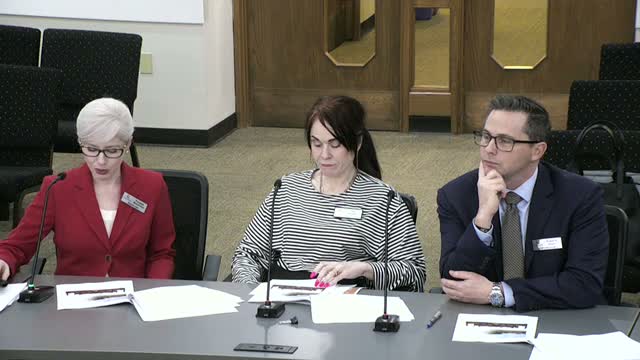
Presiding Judge Valerie Boffoud Morrell told the Lynnwood City Council on March 18 that the municipal court is handling unusually high caseloads and pressing ahead with a city-led effort to vacate convictions affected by the Washington Supreme Court's State v. Blake decision.
Morrell said the court recorded 58,128 case filings in 2025, held 22,987 hearings and processed about $6,328,762 in monetary intake. She emphasized the municipal court’s jurisdiction is limited to misdemeanors, gross misdemeanors and infractions, but noted county charging decisions have pushed some higher-level matters into the municipal docket, increasing local workload.
“We do handle misdemeanor and gross misdemeanor cases … and when the county’s charging standards change, cases that used to be felonies can come to our court,” Morrell said. She told council members the court employs 17 people, funds 10 clerk positions and currently has three clerk vacancies, creating staffing pressures as filings grow.
The judge described two operational priorities: (1) a recently finished remodel that quadrupled physical court space and now supports two full‑time courtrooms and improved first‑floor access, and (2) a statewide data modernization project that will replace an aging 1987 legacy case-management system. Dean Morrill, the court’s director of administration, warned the migration will require hundreds of staff hours to run cleanup reports and prepare thousands of cases for conversion.
Morrell also focused on the city’s plan to address convictions affected by State v. Blake, a 2021 Supreme Court decision that rendered certain drug-possession statutes unconstitutional. She said the state initially allocated about $51 million statewide for refunds and legal services but reduced that to roughly $6 million and will cut funding for later years.
“We ran a report and found about 3,100 Blake-affected cases in our system,” Morrell said. “We’re not going to wait for people to come to us — we’re going to move forward with vacating those convictions, and the administrative office of courts will help with mailing and some administrative costs.”
Morrell said vacating eligible convictions could remove barriers to housing, employment and licensing, and may reduce recidivism by improving stability for affected residents. She cautioned the city may ultimately bear some refund costs if state funding expires and cases are not vacated in time.
On staffing and service delivery, the judge said the court runs a lean budget (about 85% salary and benefits) and that hiring remains difficult because pay and commuting considerations limit lateral hires from other courts. She urged council support for the court’s statutory obligation to fund operations and said municipal governments are required by state law to provide suitable court facilities and pay court operating costs.
Dean Morrill added that the court funds interpreters from its budget and handles many small daily operational invoices; he described the conversion to the new statewide system as a “real bear” that will demand extensive report work to avoid importing legacy errors. Robert Grant, a court commissioner, spoke to prosecutorial funding dynamics and advised the council to work with county officials on resource allocation.
Council members asked whether county prosecutors provide financial support when they shift charging standards; Morrell and Grant said not in practice and suggested the council engage county leaders and prosecutors to explain municipal impacts. When asked about jury trials, the judge estimated “probably two to three” jury trials last year.
The presiding judge invited council members to observe court proceedings in person or online and closed by emphasizing the city’s model relationship among branches of government. The presentation concluded with council praise for the remodel, questions about payment-processing and interpreter costs, and a note that migration to the statewide case‑management system is scheduled for Lynnwood in October 2027.
Next steps: the court will continue the Blake vacatur project with administrative-office assistance and pursue required data cleanup for the statewide software conversion. Council members discussed advocacy to county officials about prosecutorial charging standards and noted potential future budget implications if state funding for Blake refunds remains limited.