Lifetime Citizen Portal Access — AI Briefings, Alerts & Unlimited Follows
Commission weighs sheriff’s concerns about sanctuary ordinance, considers inviting sheriff to clarify practice
Loading...
Summary
Commissioners reported meeting with the sheriff and district attorney about the county's 2018 sanctuary ordinance; the sheriff expressed worries that the ordinance can impede communication with federal immigration authorities, and commissioners discussed possible ordinance clarifications and inviting law-enforcement leadership to a future meeting.
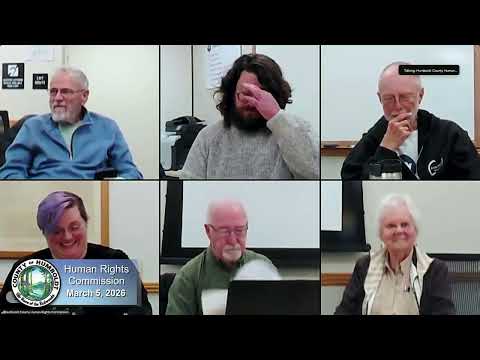
Members of the Humboldt County Human Rights Commission spent a large portion of the workshop discussing recent meetings with the county sheriff and district attorney about the 2018 sanctuary ordinance and local law‑enforcement interactions with federal immigration authorities.
Commissioners said the sheriff, who had been initially opposed to the ordinance, has become "more comfortable with it" but voiced practical concerns that the ordinance can limit communication between local law enforcement and federal immigration agents and leave local officers uncertain when responding to incidents. One commissioner summarized a sheriff concern as a potential lack of information when deputies arrive on scene: "...they don't know what's going on when they show up over here until they get citizen complaints."
Commissioner remarks also flagged two reported incidents initially attributed to ICE that turned out to involve DEA operations, illustrating local confusion about federal activity. Commissioners discussed the possibility of drafting targeted modifications to the ordinance to address the sheriff's operational concerns and suggested a follow-up: inviting the sheriff to an April meeting or planning an annual forum with local law enforcement and the commission to improve information-sharing and mutual understanding.
Commissioner 8 (legislative lead for a local ACLU chapter) placed the local discussion in a national context, referencing federal immigration statutes and recent legislative debates; commissioners emphasized that any change would require careful review and community input rather than immediate action.
No ordinance change was adopted at the meeting; commissioners agreed to explore how best to obtain clarifying information from law enforcement and to review any suggested modifications before public action.