Lifetime Citizen Portal Access — AI Briefings, Alerts & Unlimited Follows
Mesquite council delays e-bike, scooter rules after wide public concern
Loading...
Summary
City staff introduced Bill B26-001 to regulate bicycles, e-bikes and e-scooters—including a proposed universal helmet rule and a 10 mph sidewalk speed cap—but the council voted to table the measure for further work after extensive public comment on sidewalks, device classes and enforcement.
City staff on March 24 introduced Bill B26-001 to add Chapter 9 to the Mesquite Municipal Code with new rules for bicycles, electric bicycles and electric scooters, but the City Council voted to table the measure for further study after hours of public comment.
Adam Anderson, the staff presenter, told the council he had incorporated council feedback and state law constraints into the draft. "In this version that's in front of you tonight, I've put that helmets are required for all riders," Anderson said, noting the prior draft required helmets only for minors. He explained a conflict with Nevada Revised Statutes that "says anywhere a bicycle is allowed, an e-bike is allowed," which limits the city's ability to carve out sidewalk rules that differ from state law.
Residents and cyclists packed the chamber for public comment. "Mixing them together like that is gonna be difficult," Del Brown said, urging school-based training and simpler rules to protect older pedestrians and wheelchair users. Cyclists urged the city to consider dedicated bike facilities, and one commenter suggested helmet-distribution and safety classes in partnership with the local bike shop.
Councilmembers raised practical enforcement questions, including how police would detect distracted riding and whether the city could legally eliminate sidewalk riding without a charter change. "If we hit this with state statute, we can only go so far," Anderson said as he flagged options the council could pursue, including sending the ordinance back for more precise drafting.
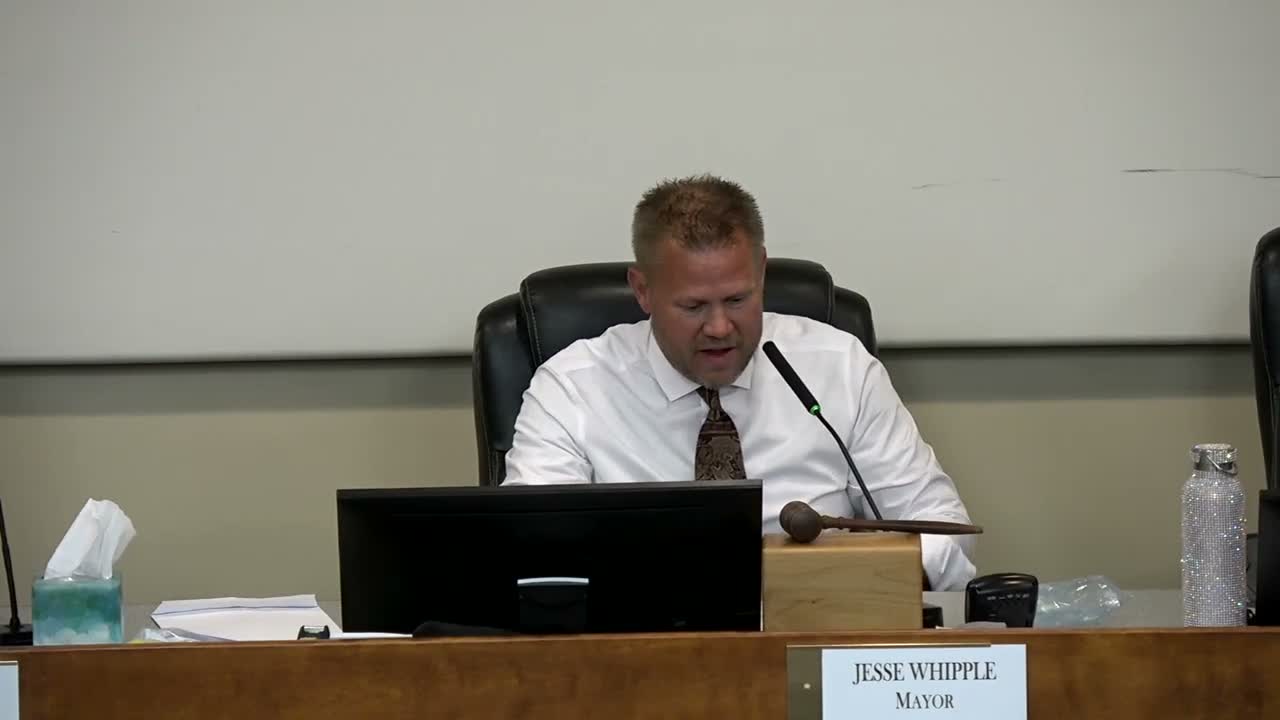
Councilman Wanless moved to table the item and asked staff to work with the police chief and willing councilmembers to refine the language and outreach plans; Councilwoman Gallo seconded the motion and it passed. The council did not vote on the substance of Bill B26-001; it remains on a future agenda for additional drafting and public input.
Next steps: staff will meet with police and council members to revise the ordinance, address device classes (pedal‑assist vs. throttle), consider sidewalk speed and signage, and propose enforcement and public-education measures before the item returns to the council.