Lifetime Citizen Portal Access — AI Briefings, Alerts & Unlimited Follows
Rock County presents draft 2027–2031 capital improvement plan; staff emphasizes planning, not approval
Loading...
Summary
County staff presented a draft five-year Capital Improvement Plan (2027–2031) to the Rock County Board of Supervisors as an informational planning document. The plan lists projects of $50,000 or more, flags items that may require long-term borrowing, and identifies the 2027 projects that will shape next year’s budget.
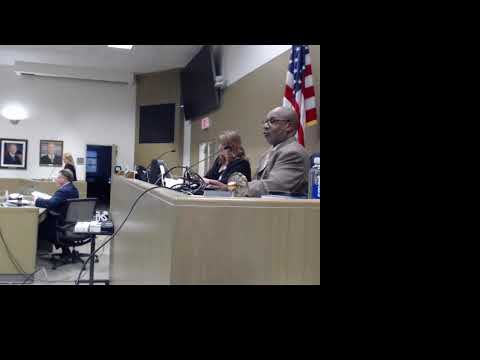
County staff presented a draft 2027–2031 Capital Improvement Plan to the Rock County Board of Supervisors and stressed that the document is a planning tool, not a request for approval.
The presentation, led by county staff and a presenter identified in the meeting as Krista, outlined a five-year list of projects that department heads identified as capital needs (threshold: $50,000 and above). "We're not asking for approval tonight," one presenter told the board, calling the packet a working document to inform the 2027 budget rather than a spending plan.
Krista said the plan is intended to make capital budgeting more affordable and transparent, to link capital projects with operating budget impacts, and to prioritize projects the county can execute in a timely manner. Krista described the document’s structure: an introductory section, a five-year summary, annual detail sheets for 2027–2031, department categories (facilities, information technology, public works-highway, parks, sheriff, airport), project detail sheets and an appendix. She noted that items highlighted in blue are candidates for long-term borrowing and items in orange are new to this year’s plan.
The staff presentation also clarified how the draft reports funding. The plan, as presented, lists county-specific needs under a sales-tax funding label and does not include grants, donations, federal or state offsets, or enterprise fund balances such as Rock Haven. "So right now, we've just identified everything as sales tax need, as sales taxes, the county funding portion," Krista said, adding that other revenue sources would be considered in later stages.
Supervisors were invited to review the printed packet and the online PDF that will include an additional fleet/vehicle replacement plan that staff expects to upload next week. When a supervisor asked about a projected drop in sales-tax-funded projects in 2030 (a roughly 30% decline compared with surrounding years), Krista said the years reflect departmental-identified needs and that 2030 currently shows fewer or lower-cost projects rather than a forecasting error.
The board was told that deeper review and discussion of year-one (2027) projects—those that most directly inform the 2027 budget—will occur during committee meetings and joint sessions in June and July. Staff emphasized that the CIP is a living document: projects may move between years, accelerate or be delayed as the budget process continues.
Next steps: staff will continue to refine the CIP with departments, add the fleet replacement plan to the online packet, and bring project-level detail to committee meetings this summer for further scrutiny and prioritization.