Lifetime Citizen Portal Access — AI Briefings, Alerts & Unlimited Follows
Residents, attorney and OPPD clash over solar setbacks at York County meeting
Loading...
Summary
Dozens of residents urged stronger solar setbacks and raised concerns about farmland loss, property rights, and battery fire risk; an OPPD representative urged the board to ground any regulation in a "rational nexus" to health, safety and welfare. LB 663 and zoning-process questions framed several comments.
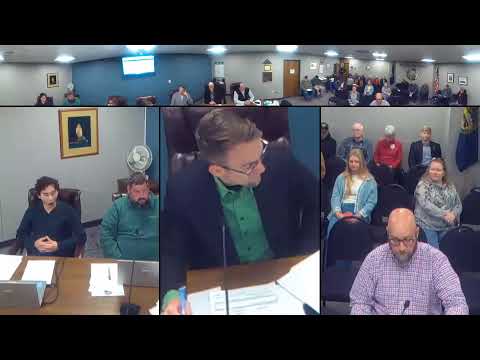
Public comment at the York County Board of Commissioners' March 17 meeting focused heavily on proposed setbacks and rules for large-scale solar and wind projects, with residents warning of farmland loss, limits on landowner rights and fire risks while a public-power representative urged legally grounded regulations.
Dave Begley, an attorney for the group Our Voices Count, told the board he opposes large-scale wind and solar in the county, arguing such projects would convert productive York County farmland, raise electric rates and be "economically inefficient." Begley said counties can outright ban wind and solar and offered to consult with the county attorney; he also warned that adding intermittent generation can drive rates up and pointed to a federal case he represents in Knox County to support his legal view.
Several residents echoed distrust of proposed rule changes. Kim Regier said she feared the county was "seeing democracy die" where developers and outside interests could bypass the zoning board, and she urged the commissioners to honor the zoning board's recommended setbacks rather than adopt a 500-foot setback she called too small. Kendra Johnson similarly asked why a commissioner would "advocate for the interest of OPPD instead of the interest of your constituents" and urged commissioners to visit properties to see the potential impacts.
Other commenters raised technical and safety concerns: Orville Stewart urged careful integration of solar with other energy sources and noted water needs for agriculture; Jim Cludey warned that dry grass under panels could fuel large fires; Ian Jackson (Our Voices Count) pressed commissioners to include batteries and inverters in any setback rules and said leases can curtail local owners' grazing and access rights.
Dustin Marble, speaking on behalf of Omaha Public Power District (OPPD), defended public power's role and said OPPD is not a private developer. Marble commended a commissioner for proposing a new approach to the county's zoning process but urged the board to base regulations on a "rational nexus" tied to health, safety and welfare rather than social-media arguments.
Several speakers referenced recent state law changes. Caleb Jackson, a University of Nebraska–Lincoln student, urged compliance with LB 663 (recently signed), noting it requires county planning commission and board members to complete training and to include written factual findings with approvals or denials; he urged adherence to that legal framework when setting setbacks and making land-use decisions.
The board did not take formal action on solar policy at the March 17 meeting. Public comment closed after multiple residents and representatives spoke; the board moved on to other agenda items, saying further zoning work and legal review remain part of the process.