Get Full Government Meeting Transcripts, Videos, & Alerts Forever!
Get email alerts on the Infrastructure topic
No spam. Unsubscribe anytime.
La Mesa approves wastewater deal, highlights citywide street and stormwater upgrades
Summary
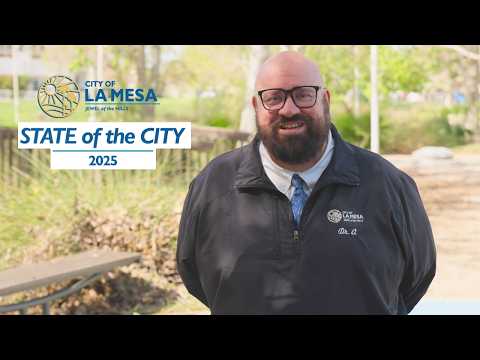
Mayor Mark Rapistathis said the City Council approved the second amended regional wastewater disposal agreement to secure treatment for decades and described major street, storm-drain and slurry-seal projects that the council says will improve flood protection and pavement longevity.
Mayor Mark Rapistathis told residents the City Council approved the "second amended regional wastewater disposal agreement," saying the deal "will ensure reliable wastewater treatment for the next 40 years." Rapistathis framed the approval as part of broader infrastructure investments that included work on streets, sewers and stormwater systems.
The mayor described a series of Public Works accomplishments, including street striping, red curb painting, pothole repairs and several street replacements, and called the city's preventative-maintenance approach a cost-saving measure. "Public Works completed several citywide projects, including street striping, red curb painting, pothole repairs, street replacements, and more," Rapistathis said.
Rapistathis highlighted a major storm-drain upgrade on Boulevard Drive, saying crews installed a 200-foot double boxed culvert along the La Mesa–San Diego border to alleviate flooding around 69th Street and University Avenue and protect nearby homes during heavy rains. He also emphasized a large pavement-treatment effort: "We treated over 2,500,000 square feet of roadway, the largest slurry seal project in La Mesa's history," naming Fletcher Parkway, Baltimore Drive and Elkhorn Boulevard as included streets.
The mayor said these projects were supported by a recently adopted biannual budget, which he described as a "strong and balanced spending plan" designed to support long-term fiscal sustainability and community priorities. The council's spending plan was presented as enabling the maintenance and capital work described in the address.
What happens next: the city presented the approvals and project completions as accomplished under existing contracts and the adopted budget; the speech did not include motion language, vote tallies or implementation timelines for each project beyond the mayor's description.