Lifetime Citizen Portal Access — AI Briefings, Alerts & Unlimited Follows
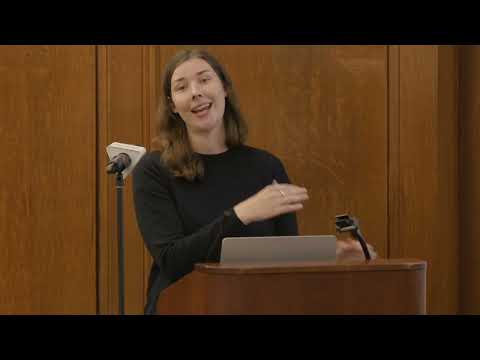
Housing Rights Center presenter outlines renters' rights in San Buenaventura, highlights new appliance and deposit laws
Loading...
Summary
Margo of the Housing Rights Center presented at Ventura City Hall on renters' rights, explaining recent California laws that limit security deposits to one month for most units, require landlords to provide working stoves and refrigerators starting Jan. 1, 2026, and expand screening options for applicants using rental subsidies.
Margo, a presenter from the Housing Rights Center, offered a public primer on renters' rights at Ventura City Hall, focusing on how recent California laws affect screening, security deposits and habitability. She highlighted resources available to tenants and landlords, including a Ventura-specific hotline and in-person office hours at city hall.
Margo said the Housing Rights Center provides free, confidential housing counseling across Los Angeles and Ventura counties and encouraged attendees to use its local phone line, (805) 225-3622, email (info@housingrightcenter.org) or the center's office hours on Tuesdays and Thursdays at Ventura City Hall. She also described Projectplace, a free monthly newsletter of affordable rental listings for LA and Ventura counties, and a Projectplace toolkit available at the event.
She outlined key legal updates tenants and landlords should know. Citing a change she referred to as "AB12," Margo said that "after July 1, [2024], deposits are now limited to 1 month's rent," with a limited exception allowing up to two months when the owner is an individual or an LLC owning four or fewer units. She explained what counts toward a security deposit (last month's rent, pet deposit, key or cleaning fees, holding fees) and noted that application fees are not part of the security deposit. Margo added that landlords must return a deposit or provide an itemized statement with receipts within 21 days after a tenant moves out.
On tenant screening, Margo reviewed that landlords may check credit and prior landlord references, but must accept alternative documentation when applicants lack a Social Security number (she referenced AB291) and must give applicants using government rent subsidies the option to provide lawful, verifiable alternative evidence rather than a credit check (she cited SB267). "SB267 gives examples such as proof of benefit payments, pay stubs and bank statements," she said, and walked through an example showing that a voucher recipient can meet an income standard when the standard is applied only to the tenant's personal share of rent.
Margo also discussed criminal-history screening limits: landlords should consider convictions only when they are directly related to safety or property risk, must not rely on sealed or expunged records or juvenile adjudications, and should weigh any mitigating evidence provided by the applicant.
Turning to habitability, Margo explained a law she called AB628 that takes effect Jan. 1, 2026, requiring landlords in most rental properties to provide and maintain working stoves and refrigerators as part of a unit's habitability; she said exceptions include communal kitchens and certain subsidized housing, and that landlords must repair or replace recalled appliances within 30 days. When asked whether appliance size is specified, Margo said she had not seen a size requirement and would check with her team.
Margo advised practical tenant steps: request and keep written records for repair requests, document unit condition with photos at move-in, request translated lease materials or an interpreter in one of five designated languages where applicable (Spanish, Chinese, Tagalog, Vietnamese, Korean, citing Civil Code —1632), and consult local resources such as the Ventura Superior Court self-help center or the Housing Rights Center for eviction-related guidance.
The presentation closed with an offer to stay after for follow-up questions and contact details for counseling. Throughout, Margo emphasized that Housing Rights Center staff are counselors (not attorneys) who provide legal information, referrals and free services to help tenants and landlords understand rights and responsibilities.
The Housing Rights Center presentation did not include formal motions or votes; it was an informational session. Next steps for attendees included using the local hotline, attending office hours at Ventura City Hall or emailing info@housingrightcenter.org for individualized counseling.