Lifetime Citizen Portal Access — AI Briefings, Alerts & Unlimited Follows
Committee presses landfill operator over 'increasing trends,' low pH and lack of PFAS testing
Loading...
Summary
During a semi-annual groundwater report, commissioners flagged rising chemical trends and a well with pH 4.87 and asked whether PFAS is being tested; the operator said additional wells and permit updates are planned and that PFAS sampling is not yet required by Tennessee regulators.
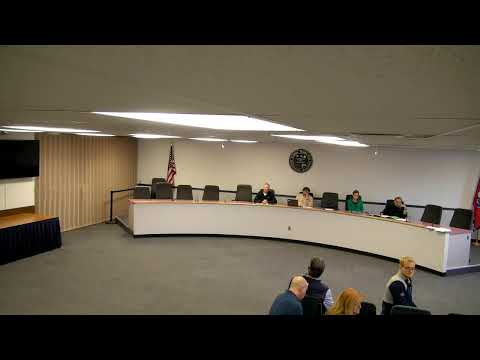
Members of the Loudon County Waste Commission pressed the landfill operator on apparent upward trends in groundwater constituents and an unusually low pH reading during the semi-annual 2025 groundwater monitoring review. The operator said the facility entered assessment monitoring in 2024, added sampling parameters and is awaiting TDEC review of results.
The committee member who raised the issue called attention to “increasing trends” and singled out a well with a pH of 4.87, saying that the numbers “go kind of beyond” seasonal variations and deserve attention. The presenter replied that the monitoring network was relatively "skinny" and that new wells will be added in the next permit cycle to better capture lateral and cross-gradient influences.
Commissioners also asked whether the facility is sampling for PFAS chemicals. The presenter said, “No. Not yet. Tennessee has not issued that regulation,” and noted other jurisdictions have started PFAS requirements. He said the facility will follow state requirements as they are issued and that quarterly sampling results will be presented to the board as the seasonality and additional monitoring points are evaluated.
Why it matters: The commission is overseeing a permit-driven monitoring program tied to a landfill expansion; persistent increases in groundwater constituents or new regulatory parameters such as PFAS could prompt permit changes or require additional monitoring and remediation work.
Next steps: The operator said the part 1 and part 2 permit applications for the additional acreage will include updates to the groundwater and landfill-gas monitoring plans; staff will return with more data from spring sampling and additional well installations planned under the permit cycle.