Get Full Government Meeting Transcripts, Videos, & Alerts Forever!
Get email alerts on the Short Term Rentals topic
No spam. Unsubscribe anytime.
Council renews Deckard contract after presentation showing high short‑term rental registration and revenue capture
Summary
After a presentation from Deckard Technologies showing 2,727 active short‑term rental licenses and an estimated 97% of revenue flowing through licensed operators, the City Council approved renewing the city's compliance contract. Councilors pressed staff on how Deckard detects permit numbers on listing platforms and on onboarding and tax‑reporting templates.
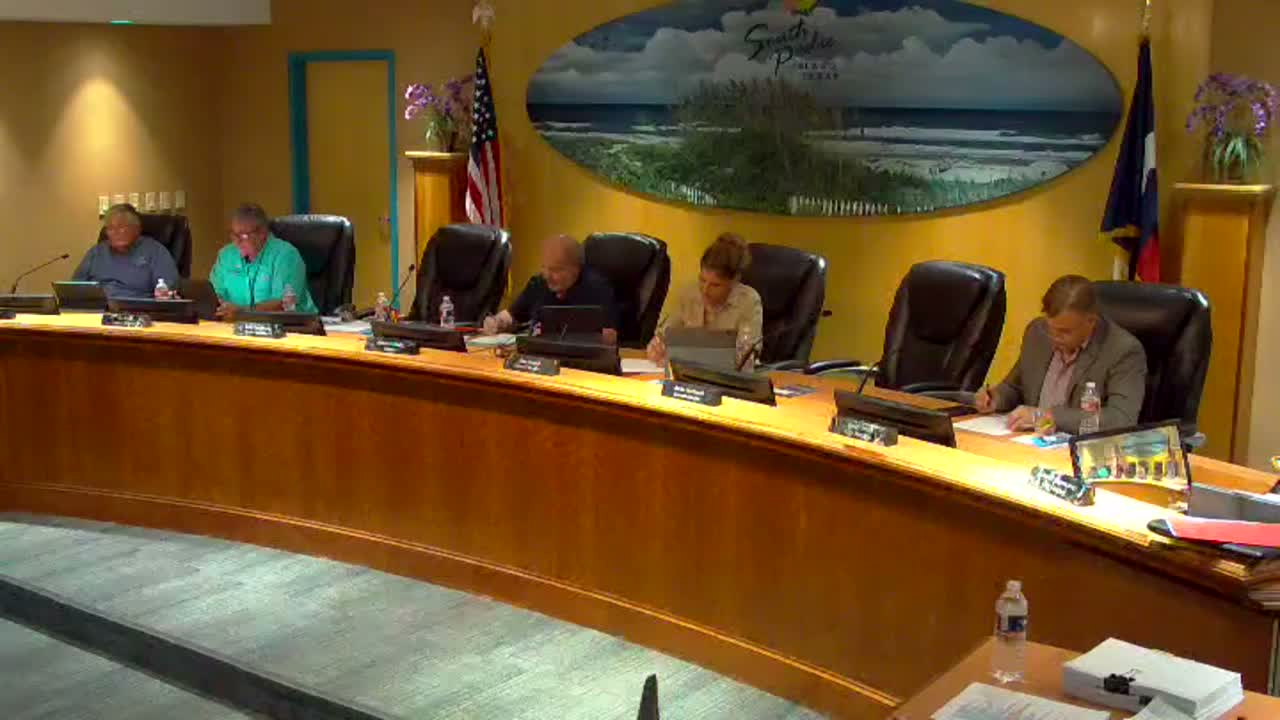
The South Padre Island City Council voted to renew the city's short‑term rental compliance contract with Deckard Technologies following a detailed presentation on the program's performance.
Deckard representative Nick Del Pego told the council the system now tracks 2,727 active licenses in the city, "which is 900 more than when we started this a few years ago," and reported that about "97% of the revenue we observe... moved through licensed operators." He said the company’s daily ad‑crawling, calendar monitoring and a three‑letter outreach process produced 145 direct registrations from the outreach campaign and an estimated 653 net new property registrations year‑over‑year.
Why it matters: Councilors and several vacation‑rental managers said the system's ability to identify properties by permit number is central to enforcement and tax‑reporting. Council members said accurate detection and easier onboarding reduce neighborhood impacts and protect city tax receipts.
During a question-and-answer exchange, a local property manager and councilors asked whether Deckard's crawler reliably finds the city permit field on major platforms and how the system matches advertisements to city permits. Del Pego said Deckard analyzes full advertisement text and image data for formatted permit numbers, geolocates properties from listing details and calendars, and can surface whether a listing displays the permit and whether that number matches the property. He said the system can support, but does not itself carry out, an enforcement campaign; staff would direct enforcement actions.
Councilmember Rico and other councilors also raised operational complaints from property managers: the remittance upload template Deckard provides cannot be modified to accept exports from some property management systems, and the city's current account setup allows only a single contact email per license, complicating use by third‑party tax filers. Del Pego and staff agreed to explore options for a better onboarding/upload workflow and additional account‑access features.
Public comment earlier in the meeting echoed verification concerns. Andy Hancock, a local business owner, had asked why verification of room blocks and Simpleview confirmations appeared inconsistent across event applications.
Outcome: After discussion the council moved, seconded and unanimously approved the contract renewal for Deckard Technologies. Council members asked staff to pursue technical fixes (improved upload templates and the option for multiple contact emails) and to coordinate with major platforms to enable an explicit permit‑number field where available.
Next steps: Staff will finalize the contract renewal and continue technical work with Deckard to improve onboarding and reporting templates, and will report back to council if staff proposes an enforcement notification campaign based on Deckard data.