Lifetime Citizen Portal Access — AI Briefings, Alerts & Unlimited Follows
Law schools should embrace AI and flexible degree formats, AALS chief says: 'We don't have to choose between excellence and innovation'
Loading...
Summary
On Talk Justice, Kelly Testy urged cautious, intentional adoption of online programs and AI in law schools, saying innovation can expand access while preserving educational standards.
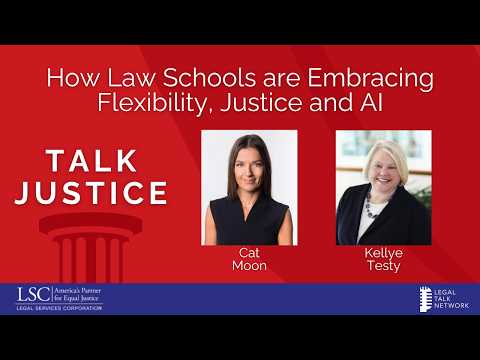
Kelly Testy, executive director and CEO of the Association of American Law Schools, told the Talk Justice podcast that law schools can adopt flexible formats and new technologies without sacrificing quality.
"We don't have to choose between excellence and innovation," Testy said, urging institutions to pilot, study data and maintain high standards across both in‑person and online formats. She pointed to examples of part‑time and online programs—citing Arizona State University's online part‑time JD among others—as ways to reach students who cannot relocate or leave jobs, and said well‑designed alternatives can expand access and affordability.
On artificial intelligence, host Kat Moon framed AI as "the elephant in the room," asking when and how schools should introduce the subject to students. Testy said schools are already engaging: AALS has partnered with outside organizations to offer webinars, clearinghouses and resources, and the association has active sections focused on AI and law & technology. "People understand now that it's something that the schools need to really get their hands into and really understand and help their students understand," she said.
Testy recommended a pragmatic approach: avoid blanket bans and instead develop pedagogy and resources that prepare graduates for an AI‑augmented legal profession. She emphasized that technology changes rapidly and law schools should teach problem‑solving mindsets that will outlast particular tools.
The hosts and Testy agreed that change should be guided by evidence and pedagogy rather than novelty for novelty's sake. No specific curricular mandates or regulatory changes were announced during the episode.