Lifetime Citizen Portal Access — AI Briefings, Alerts & Unlimited Follows
Commissioners approve East Plano rezoning with 15‑ft setbacks after mixed public comment
Loading...
Summary
After a public hearing with neighbors split over lot sizes and wildlife impacts, the Plano Planning and Zoning Commission approved agenda item 1b to rezone a church‑owned tract for roughly 50 single‑family lots, adding 15‑foot minimum building setbacks adjacent to streets to address neighbor concerns; vote was 8–0.
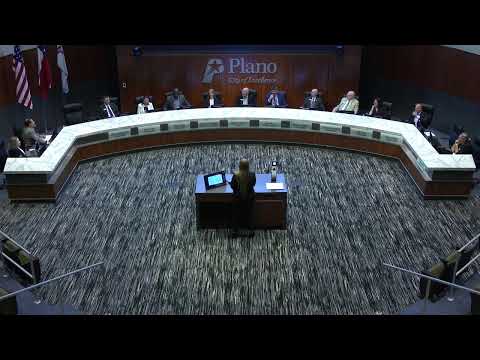
The Plano Planning and Zoning Commission on Tuesday approved a rezoning request for an East Plano tract that would allow about 50 single‑family homes, adding stipulations intended to preserve a physical buffer between the new neighborhood and adjacent properties.
The commission voted 8–0 to approve agenda item 1b after a public hearing that drew residents both opposed and supportive. Commissioner Lingenfelter moved to approve the item with a stipulation that “the minimum side yard setback adjacent to a street be 15 feet” and a separate 15‑foot setback from the Los Rios right‑of‑way; the motion was seconded and passed unanimously.
Neighbors opposed to the plan said the development would replace historic open land and harm local wildlife and property values. A speaker identified only as a resident urged the commission to “please reject this plan,” saying neighbors had spent “countless hours” trying to work with the developer and had received only minor concessions such as a few trees and a fence. By contrast, several other residents—including Rebecca Smith and Dr. Scott Fenton—said new starter homes would help local families and could bring students back to Plano ISD.
Molly Coria, the city’s lead planner, told the commission the proposed lots are SF‑9 (9,000 square feet) and staff had described how the plan provided a 15‑foot setback plus right‑of‑way and a 20‑foot landscape buffer to preserve a 100‑foot effective separation from the existing neighborhood. Coria also noted concessions the applicant had made since an earlier version of the plan.
During deliberations commissioners emphasized the negotiated compromises and the developer’s outreach. Commissioner Ali described the three‑car garage stipulation as an example of working together with neighbors; Commissioner Brunoff said that, ‘‘whatever we do with this case, you can’t make everybody happy,’’ but called the revised plan ‘‘a reasonably designed single‑family’’ option that builds neighborhood vibrancy.
The approval includes the setback language that staff recommended be recorded in the planned development documentation; city staff and the applicant confirmed the setbacks could be implemented by a common‑area lot or maintenance easement for wall maintenance.
The commission closed the public hearing after the vote and moved on to later items on the agenda. The approval was procedural and includes the recorded PD language required to enforce the setbacks in the final submittal.