Lifetime Citizen Portal Access — AI Briefings, Alerts & Unlimited Follows
Douglas County work session prioritizes Consolidated Fire District No. 1 apparatus replacement and explores funding options
Loading...
Summary
Consolidated Fire District No. 1 chiefs and county staff presented an $11.6 million capital improvement plan April 8, 2026, urging commissioners to prioritize apparatus replacement after identifying 12 vehicles at elevated failure risk; staff will return later with formal purchase and funding recommendations.
Consolidated Fire District No. 1 leaders and county staff told Douglas County commissioners at a work session on April 8, 2026, that aging fire apparatus and long procurement lead times make equipment replacement the district’s most urgent near‑term capital priority.
Sean, a county staff member presenting the capital improvement plan, said, “The capital improvement plan that has been developed is, as you can see, is, about $11,600,000,” and noted most of that total is tied to a future station while immediate needs center on apparatus and equipment. He added the district’s reserves and ongoing county contributions provide limited near‑term capacity but not full funding.
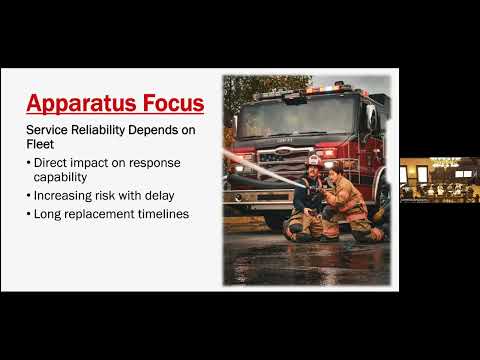
Why it matters: Chiefs said older or heavily used appliances reduce service reliability and increase maintenance costs across the district, which covers about 228 square miles with 10 stations. John Mathis, fire chief for Consolidated Fire District No. 1, described the department’s fleet review process and how staff scored units by reliability and maintenance demands. “From scratch, they’re looking at 3 years,” Mathis said of lead time for a new engine, underscoring procurement delays.
What was presented and discussed: Mathis told commissioners a committee of senior engineers created a critical‑failure scale after scoring each vehicle; Assistant Chief Clint Hornberger said the committee identified 12 units with critical failure risk based on call volume and maintenance costs. “They’ve identified 12 units that are, have a critical failure risk based on call volume, maintenance costs,” Hornberger said. Staff noted five units are more than 20 years old and that usage (engine hours and road conditions) — not just age or mileage — drives wear.
Financial context: Staff said the district’s reserve balance is about $950,000 and the county contribution was raised to $300,000 annually; Sean estimated roughly $2,750,000 of funding capacity over a five‑ to six‑year period under current inputs but said that does not fully fund the CIP. Commissioners and staff discussed financing tools: lease‑purchase arrangements (spread payments akin to debt issuance) could help acquire apparatus sooner, while bond financing is more suitable for long‑term station projects.
Grants and timing: Chiefs and staff described grant options as limited for full apparatus purchases but more promising for equipment and staffing. They referenced federal programs such as AFG and SAFER and noted targeted USDA community grants for small districts; one commissioner offered to forward USDA grant details now that the period is open. Staff also said demo or stock vehicles from vendors can substantially shorten lead times compared with building a truck from scratch.
Direction and next steps: Commissioners signaled broad support for prioritizing an apparatus (engine) replacement and asked staff to refine the number of units to absorb, examine financing options (lease‑purchase, bond, grants), and return later this year with a formal purchase recommendation and more detailed budget alignment ahead of 2027 budget discussions. Sean summarized the direction: if commissioners agree, staff will proceed with planning and bring back specifications and funding scenarios.
No formal vote was taken; the work session is informational and was recessed until the 5:30 p.m. business meeting.