Lifetime Citizen Portal Access — AI Briefings, Alerts & Unlimited Follows
Selma council conditions tenant charge for mandated backflow device on landlord’s final invoices
Loading...
Summary
After a two‑hour hearing in which residents argued the fee was the owner’s legal obligation, Selma’s council allowed the mobile‑home park owner to amortize the cost but required the owner to provide final third‑party invoices and documentation to tenants before charging them.
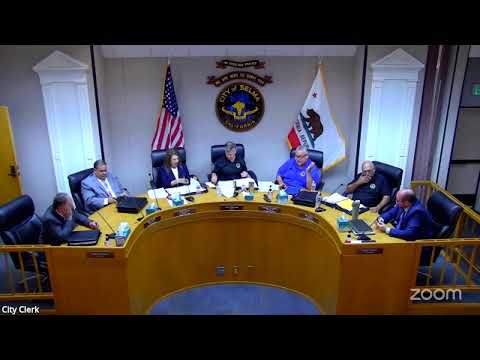
Selma’s City Council debated and narrowly approved a conditional path by which McCall Village Mobile Home Park’s owner may recoup the cost of a state‑mandated backflow prevention device — but only after the owner provides the tenants and the city with final contractor invoices and documentation.
The council opened a public hearing April 7 after the city received a petition signed by more than half the park’s tenants objecting to an 84‑cent‑per‑month rent increase that the owner said would amortize the roughly $21,008.70 installation cost over 10 years. Owner representative Joe McHenry told council the expense stemmed from a Cal Water notice requiring installation under the utility’s cross‑connection control tariff and the state handbook. McHenry said the park chose a 10‑year, interest‑free amortization option so residents would pay about $0.84 per month per space over the repayment period.
Residents, led by Yvonne Vibeck of the McCall residents committee and resident‑organization director Sandy Nyswander, argued the city’s mobile‑home rent stabilization ordinance (Selma Municipal Code Chapter 5.5) forbids passing costs to tenants when the expense is required by outside law. “The park owner cannot simply pass this cost on to tenants,” Vibeck said, citing the state cross‑connection control policy handbook and health‑and‑safety code provisions that Cal Water enforces.
City Attorney advised council that, as written, the local ordinance treats ‘‘capital expenses required by law’’ differently from discretionary improvements and that state law and agency regulations that require an installation will generally preempt conflicting local restrictions. The attorney also urged clearer ordinance drafting going forward and said council lacks authority to block a recovery mechanism that would conflict with state law.
Council members’ questions focused on process and documentation. Several members said they were sympathetic to residents’ concerns about notice and outreach; others said the owner has a legitimate business interest in recovering forced compliance costs. Council member (motion-maker) moved to permit the pass‑through on the condition the landlord provide documented proof of the final, paid contractor amount to each tenant within a set timeline and refrain from charging tenants until that documentation is supplied. Councilmember (second) seconded the motion.
The motion carried. The council’s action sets a procedural precedent: the owner may recover the cost but must substantiate the expense and follow the ordinance’s notice expectations in a clearer fashion. Mayor Robertson said the council will also pursue clarifying ordinance amendments to remove ambiguities on when tenants may be charged for capital work.
What’s next: The owner was directed to provide final third‑party invoices and proof of payment to the city and tenants. The council indicated it will revisit ordinance language in a future meeting to clarify the distinction between voluntary capital improvements and legally required compliance costs.
Speakers quoted or relied on in this report are attributed to the hearing record: Fire Chief Webster; Joe McHenry (owner representative); Yvonne Vibeck and Sandy Nyswander (resident representatives); City Attorney; Mayor Robertson.