Lifetime Citizen Portal Access — AI Briefings, Alerts & Unlimited Follows
Lynnwood staff outline Opportunity Zones 2.0, recommend reapplying for two city‑center tracts
Loading...
Summary
City staff presented details of the federal Opportunity Zones 2.0 changes, recommended reapplying for the two city‑center census tracts that have driven recent redevelopment, and warned that federal rules offer no local affordability guardrails; council members pressed staff on displacement risks and complementary local tools such as MFTE.
City staff updated the Lynnwood City Council on federal Opportunity Zones 2.0 and recommended the city seek designation for the two census tracts that cover the city center, pending guidance from state and federal agencies.
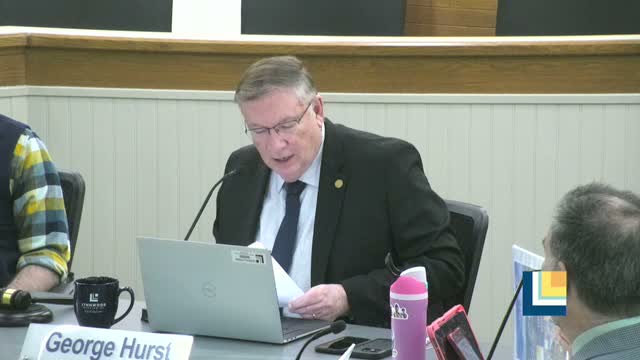
Director Ben Walters introduced the item and told the council the program “doesn't cost the city any money” and that a likely next step would be a council resolution of support after staff finalize recommended tracts. Sarah Trowe, the city center program manager, summarized OZ 2.0 changes: narrower geographic targeting, new selection criteria and reporting requirements, and a rural carve‑out that requires at least 25% of new designations to be in rural communities. She said Washington currently has 139 designated opportunity zones and that staff expect the state’s pool of nominations to shrink to about 98 for the second round.
Why it matters: staff framed the program as a tool to attract more and potentially higher‑quality private investment by expanding the pool of interested developers and providing federal capital‑gains tax incentives that flow through Qualified Opportunity Funds. Trowe showed a Lynnwood map with four potentially eligible census tracts and said staff’s initial recommendation is to reapply for the two tracts that already include the city center redevelopment where projects such as Connect, Ember, Coze and Enzo have come online.
Council members pressed staff on competitiveness, eligibility and timing. Trowe said the state Department of Commerce has provided scoring criteria and that staff are coordinating with neighboring jurisdictions and the county; the governor is expected to submit nominations in July and, if designated by the U.S. Treasury, the program changes would be implemented in January 2027. The state application window has been delayed while officials wait for federal guidance.
Concerns about displacement and guardrails surfaced repeatedly. Council member Ramada said incentives targeted at high‑poverty or distressed areas “sound a lot like gentrification” and asked what protections would prevent longtime residents from being priced out. Staff replied that the federal Opportunity Zones program itself does not include local affordability requirements and that the city’s control comes through land‑use plans, development standards and complementary incentives that can include the Multifamily Tax Exemption (MFTE) and community‑benefit agreements. Walters said city staff are preparing proposed revisions to the MFTE program for council consideration this summer to explore additional protections tied to local incentives.
What happens next: staff recommended the council consider a resolution of support after staff finalize which tracts to nominate; the timing depends on state and federal guidance. Trowe advised the council that reapplying for the two city‑center tracts would be a straightforward request given existing redevelopment and supporting planning documents, while other tracts may score lower under the new criteria.
The council did not take a final vote on any designation at the April 6 work session; staff will return with more specific tract recommendations and a proposed resolution for council action once the Department of Commerce and U.S. Treasury publish the final guidance.