Lifetime Citizen Portal Access — AI Briefings, Alerts & Unlimited Follows
Seattle public comment session pits Chinatown supporters of CCTV against residents demanding permanent ban
Loading...
Summary
Public comment at the Seattle City Council’s March 24 meeting focused on a heated debate over the city’s CCTV/RTCC pilot: Chinatown-International District residents delivered petitions backing cameras for safety while activists and others called for a permanent ban, citing ICE use and profiling.
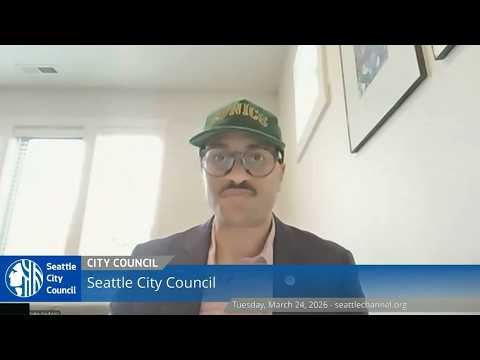
Dozens of residents filled public comment at the Seattle City Council’s March 24 meeting to sharply disagree over real-time surveillance cameras and their use by law enforcement.
The most immediate clash came from opposing neighborhood voices. "We have over 1,000 signatures to keep the CCTV program running," Gary Lee told the council, presenting what he said were petition pages from Chinatown and urging the city to expand cameras in the Chinatown-International District. "We need to work on that, not put tools away that are trying to help prevent crime," he said.
Supporters, including Beth, introduced the same petition count into the record and framed the RTCC as an evidence-based tool. "According to the police data, the use of high-tech CCTV increased the speed of solving cases by three times," Beth said, urging more cameras in high-risk and dark locations and noting 1,032 signatures she said represented residents and business owners in the CID.
Opponents pressed a contrasting view. "The cameras have never actually helped prevent crime," Astrid said, arguing that cameras aid police responses but do little to address root causes and can facilitate profiling of people of color. Gwendolyn cited American Civil Liberties Union research and urged a permanent ban and municipal IDs so immigrants can access services without fear of surveillance. "These surveillance systems need to be shut down," she said.
Speakers also linked surveillance to immigration enforcement. Long and several speakers from Labor Militant pressed the council to take more aggressive action against ICE, including a permanent ban on detention centers and an eviction moratorium for migrants; they accused elected leaders who promised to curb surveillance of backtracking. "This one-year ban is inadequate," Jason Thiel said. "We need permanent bans and municipal IDs."
Other speakers raised privacy and technology concerns: Jim Baines warned that AI-enabled tools and facial-identification systems risk misidentification and urged the council to divest from specific vendors and end related pilots. Bennett and Nathan urged weighing surveillance benefits against the risk that federal subpoenas could expose footage to ICE or other agencies.
Council members did not take a public vote on camera policy during the meeting. Public commenters referenced related committee work: an online speaker, Charlotte, praised a public-safety committee bill (recorded in public comment as council bill 121179) that would expand temporary suspension authority for some automated systems when footage could be used in immigration or other sensitive enforcement contexts.
The public-comment period moved several items into the record: petitions and data claims, calls for municipal IDs, demands for an eviction moratorium, and repeated requests that the council either preserve or dismantle the surveillance program. The council did not adopt a new surveillance measure at this meeting; the debate was left as input to committee and future council consideration.