Lifetime Citizen Portal Access — AI Briefings, Alerts & Unlimited Follows
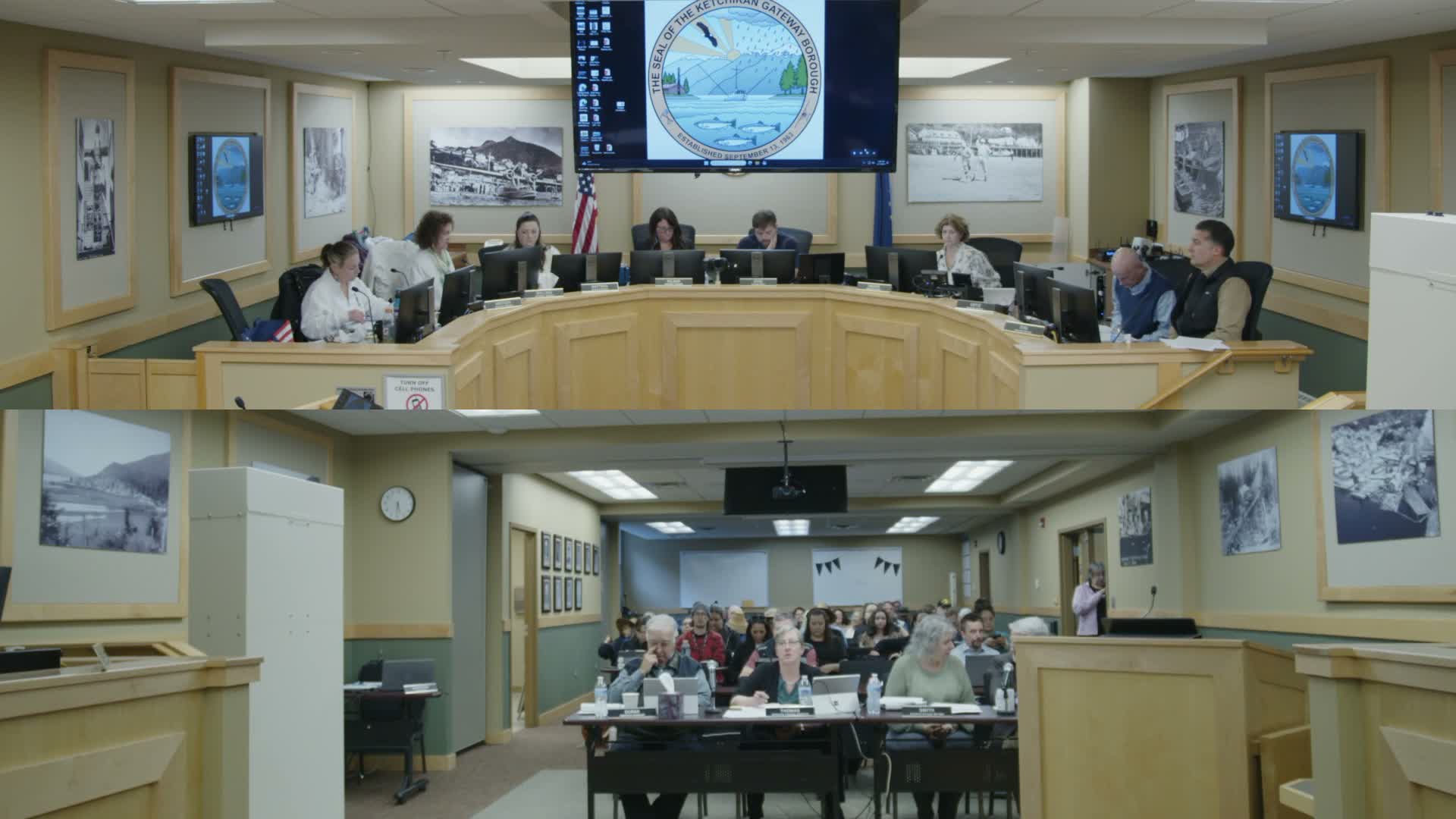
Assembly approves rezoning of Waterfall Creek parcel, adds CUP requirement for docks and detox centers
Loading...
Summary
The Ketchikan Gateway Borough Assembly adopted Ordinance 21-06 to rezone a Waterfall Creek parcel at 16707 North Tongass Highway from Future Development to General Commercial and added a condition that marine-related uses and detoxification facilities must secure a conditional use permit before establishing.
The Ketchikan Gateway Borough Assembly voted to adopt Ordinance 21-06 (substitute), rezoning USS 3163 Tract C of the Waterfall Creek Subdivision at 16707 North Tongass Highway from Future Development (FD) to General Commercial (CG), while adding a condition that marine-related uses (including docks and vessel service/repair) and detoxification facilities must obtain a conditional use permit (CUP) before establishment.
The measure was the subject of extended debate about the balance between preserving neighborhood input and allowing the applicant’s stated wellness-center use to proceed. Assemblymember Dial, who offered compromise language earlier in deliberations, said the amendment “gives the neighbors a voice” by requiring public review for higher-impact activities while preserving a clear path for the applicant’s intended wellness center. “It just says that the newly created commercial zone…would require a CUP,” Dial said in explaining the compromise.
Opponents raised concerns that the drafted condition could be overbroad and unintentionally convert some uses now allowed in FD into CUP items under CG. The borough attorney warned staff and the assembly that, as written, the amendment’s categories might sweep in things such as small museums or private docks that were not the assembly’s intent, and recommended staff refine the language. Planning Director Frank Maloney and other staff walked members through which uses already require CUPs and which are permitted by a standard zoning permit.
After a narrow amendment attempt failed, Assemblymember Matson proposed narrower language limiting CUP requirements to marine-related uses and detoxification facilities only. That narrower amendment passed, and the assembly then approved the ordinance substitute in a final roll call (five yes, one no). The clerk announced, “Ordinance 21-06 substitute passes.”
Why it matters: The rezoning changes the parcel’s baseline allowed uses and therefore affects future development potential and neighborhood impacts. By requiring CUPs for marine-related uses and detox centers, the assembly created an additional public-review step for those specific higher-impact proposals without preventing the applicant from pursuing the stated wellness-center project.
What the ordinance does not yet define: The assembly did not adopt a specific statutory definition of “detoxification facility” during the meeting; staff said exact classification will be decided in the CUP review based on the application materials and applicable zoning code definitions. Planning staff also noted some permitted CG uses (e.g., certain food/beverage or entertainment services) differ from current FD allowances and must be evaluated item-by-item.
Votes and motions: The record shows a failed vote on a broader amendment-to-the-amendment (2–4), a failed motion to postpone indefinitely (1–5), adoption of Matson’s narrowed amendment (recorded as 6–0 on the amendment vote), and final adoption of the ordinance substitute (5–1).