Lifetime Citizen Portal Access — AI Briefings, Alerts & Unlimited Follows
Kohler board hears school finance primer: revenue limit, timeline and budget priorities
Loading...
Summary
At its learning-series session the Kohler School Board heard a school-finance presentation covering the state revenue-limit framework, fiscal-year and budget calendar, local revenue composition (about 57% from the revenue limit; 32% from open enrollment), and next steps for membership-based revenue projections.
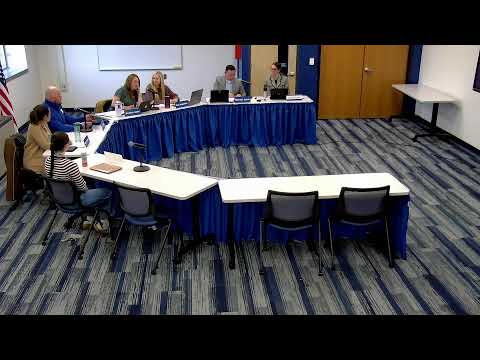
The Kohler School Board used its April meeting to continue a board-learning series on school finance, with presenter Melissa giving a detailed primer on revenue streams, the budget calendar and the district’s near-term steps for setting next year’s projections.
Melissa summarized the historical context for state school funding and the mechanics the district uses to calculate its revenue limit. She explained that the district’s fiscal year runs July 1–June 30, that a membership count occurs the third Friday in September (a different measure than enrollment), and that property valuations and equalized aid are finalized around Oct. 15, which together inform the district’s revenue-limit calculation. She said the district adopts a formal budget by Nov. 1 and that the board typically handles preliminary budget approvals in June so the district can meet municipal tax-base reporting deadlines.
On local funding composition, Melissa said the revenue limit comprises roughly 57% of the district’s revenue under current projections and that open enrollment generates about 32% of revenue. She noted Kohler is “property-wealthy,” meaning a large share of revenues comes from property taxes, and said that tax payments arrive in force in January; healthy fund balances have so far allowed the district to avoid short-term borrowing.
Board members asked technical questions. One questioner asked about the handling of one-time nonrecurring exemptions (Melissa cited roughly $65,000 in exemptions tied to private-school vouchers as an example). Melissa explained the district receives a final DPI payment that reconciles open-enrollment ins-and-outs and that levy adjustments and property-tax collections are how the district accounts for those flows.
The presentation also covered fund accounting (WUFAR codes, emphasis on funds 10 and 27) and next steps: Melissa said she will finalize revenue projections driven by membership numbers, engage building principals and department heads for budget requests on staffing and non-staffing expenditures, and bring initial numbers to the board in May before action is required in June.
“Membership is going to be the key driver of our revenue projections,” Melissa said, and she urged the board to review the materials before the next meeting. Superintendent Mike framed the approach as a two-step process: present information in May to allow board review, then take formal action in June.