Lifetime Citizen Portal Access — AI Briefings, Alerts & Unlimited Follows
Decorah council votes to fund University of Iowa river nitrate sensors to keep real-time monitoring online
Loading...
Summary
After a presentation from the Sustainability Commission and University of Iowa sensor advocates, the Decorah City Council approved a $17,000 gap-funding payment to keep two IIHR nitrate sensors operating and publicly publishing near the Upper Iowa River, citing drinking-water protection and research continuity.
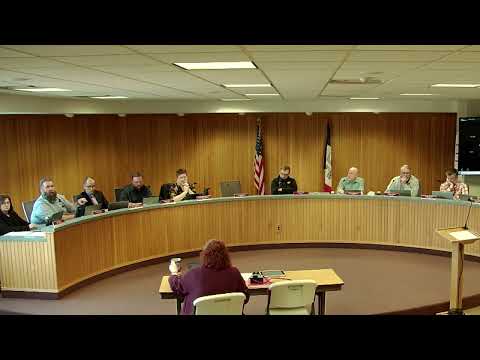
Decorah — The City Council voted to provide $17,000 in gap funding so two University of Iowa IIHR nitrate-monitoring sensors will continue transmitting real-time water-quality data for the Upper Iowa River.
Molly McNichol, a member of the Decorah Sustainability Commission, told the council the sensors collect continuous river data at 15-minute intervals and that the proposed funding would support two sensor locations — one upstream near Bluffton and one at Decorah close to municipal wells. "The maximum that it is supposed to be is 10 milligrams per liter," McNichol said of the federal nitrate standard and noted that some recent readings approach that level.
The recommendation, delivered by staff and the sustainability commission, follows state funding cuts that eliminated support for the sensor network in 2023 and a philanthropic bridge that expires in June 2026. Travis (staff member) explained the city contribution would pay for sensor travel, maintenance and recalibration; the commission identified $8,500 per sensor as the annual cost.
Council discussion focused on who will access and analyze the data and how long the city might need to fund the sensors. McNichol said the University of Iowa will maintain the network and can provide end-of-year analyses if the city requests specific figures; continuous monitoring would remain viewable and usable by public works staff and the public.
Several council members framed the measure as a stopgap while urging state-level restoration of funding. One council member said the loss of continuous monitoring would create a data gap in long-term studies and urged keeping the sensors online to preserve scientific continuity. Another argued the sensors give Decorah timely information because the city’s shallow wells draw from an alluvial aquifer closely connected to the river.
Motion to accept the Sustainability Commission recommendation was moved and seconded; the council approved the funding unanimously. The payment will be drawn from designated sustainability commission funds and the University of Iowa will relocate one sensor to a USGS‑gauged site at Water Street to better align with local monitoring needs.
Next steps: Staff will execute the funding arrangement and coordinate the sensor placement with IIHR; councilors said they expect to revisit the issue if state funding returns.