Lifetime Citizen Portal Access — AI Briefings, Alerts & Unlimited Follows
Appeals court hears Newman v. Saucener over fiduciary duty and timeliness of cross-appeal
Loading...
Summary
In oral arguments the Court heard whether a trial court properly fashioned remedies after finding a fiduciary duty tied to a $30,000 contribution and whether Sarah Saucener’s cross-appeal was timely under appellate rules given the trial court’s retained jurisdiction; the court recessed without ruling.
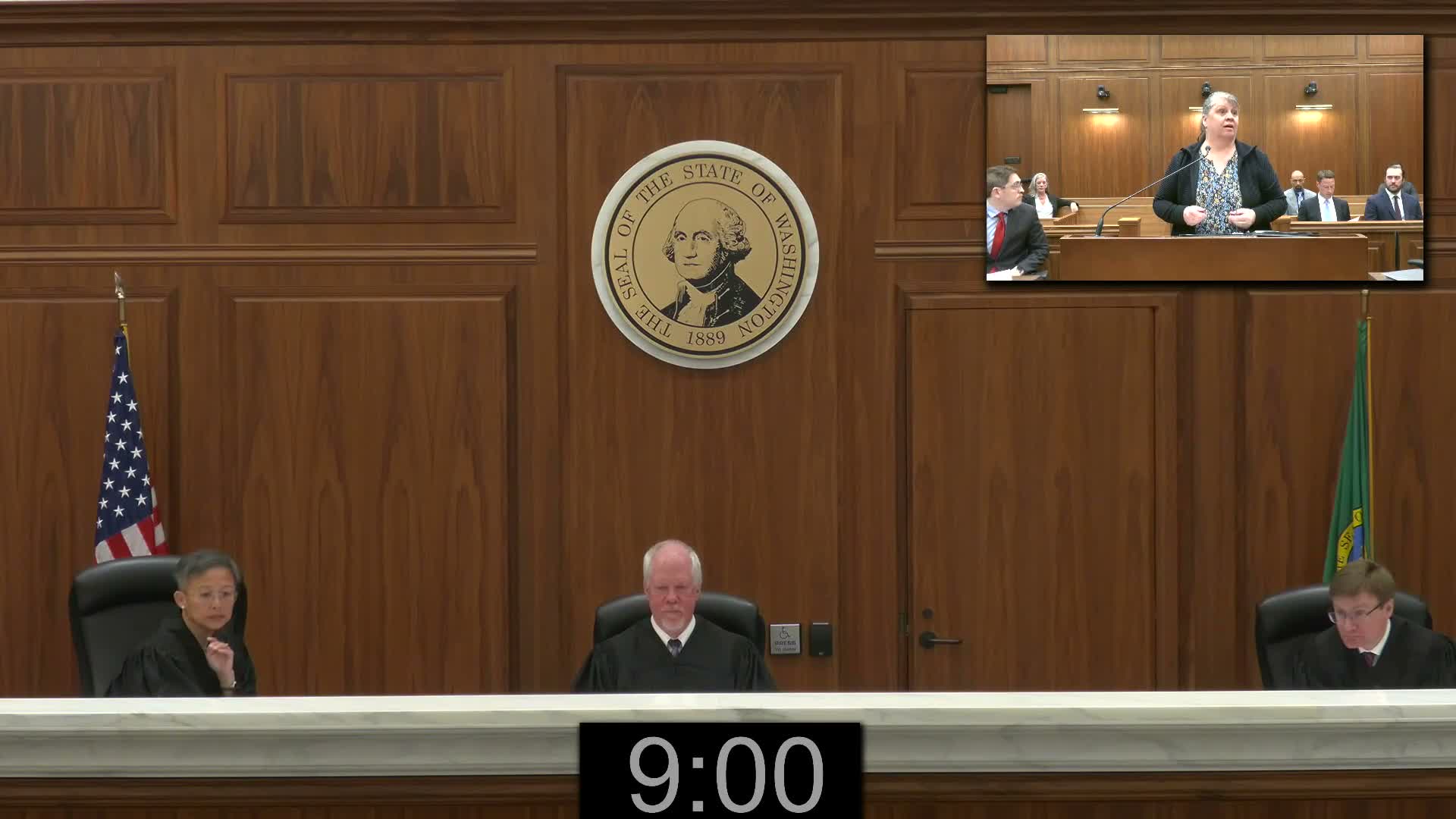
Christy Newman, attorney for appellant Robert Newman, told the court the trial judge correctly found a fiduciary relationship but misapplied the remedy when allocating sale proceeds and imposing rent and carrying costs without a full accounting.
The issue, Newman said, arises from a roughly $30,000 contribution toward a house down payment and the trial court’s handling of the parties’ post‑relationship finances. "When you have an arm's length deal and you hand over property to someone ... that person becomes your agent," Newman argued, contending that agency concepts inform the fiduciary analysis and the remedy the trial court awarded.
The court pressed counsel on preservation and record issues. A judge noted the trial court expressly found there was no contractual agreement between the parties even as it credited the $30,000 contribution; the court questioned whether that factual finding supported Newman’s claim to a 50% interest absent an agreement. Judges also asked why an agency theory was being advanced on appeal when it was not clearly raised in the trial court record.
Jacob Rosenblum, counsel for respondent Sarah Saucener, acknowledged the trial court found a fiduciary duty but argued Saucener’s cross‑appeal should be dismissed as untimely. Rosenblum said the defense believed the case remained interlocutory because the trial court retained jurisdiction to resolve damages tied to a future sale and administrative matters; he invoked "18.8" and urged that unique circumstances made an earlier notice of appeal unclear and that equity should avoid imposing a harsh timing result.
The judges expressed skepticism that the retained‑jurisdiction posture justified missing the 30‑day appeal deadline, noting parties could file a notice of appeal to preserve issues while litigating finality claims. The court also observed the house at issue has already been sold and the payment to the opposing party made, which limits practical relief even if some findings are disturbed on appeal.
Rosenblum warned that affirming the trial court’s financial remedies could establish a dangerous precedent requiring ongoing financial accommodations as part of fiduciary duties. Newman countered that the trial court failed to account properly for carrying costs, rent and other offsets and proposed a different accounting and remedy if the fiduciary finding stands.
The court recessed after argument and did not issue a decision from the bench. Further proceedings or opinion will determine whether the appellate court accepts the agency framing of the fiduciary claim and whether Saucener’s cross‑appeal survives the court’s timeliness review.