Lifetime Citizen Portal Access — AI Briefings, Alerts & Unlimited Follows
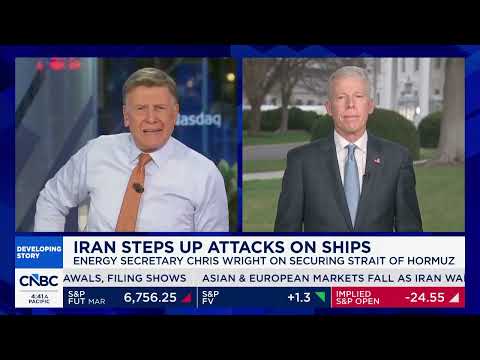
Energy secretary says SPR barrels will be swapped now to return larger volumes within a year
Loading...
Summary
Energy Secretary Chris Wright said the administration will release about 172 million barrels from the Strategic Petroleum Reserve (SPR) in swap transactions intended to return more than 200 million barrels within a year, and that the operation is meant to offset short-term market disruption without net cost to taxpayers.
Energy Secretary Chris Wright said the administration will release about 172,000,000 barrels from the United States Strategic Petroleum Reserve in swap transactions intended to return more than 200,000,000 barrels to the reserve within a year.
The exchange is designed, Wright said, to address immediate supply needs while ultimately helping to refill the SPR. "We're gonna release a 172,000,000 barrels and swap it for more than 200,000,000 barrels that'll be back in the reserve within a year," Wright said. He added the transactions are structured so they impose "no cost to the taxpayer" because near-term market prices are higher than later-month contract prices (a backwardated market), enabling the Treasury to receive more physical barrels in later deliveries.
Host Joe noted the SPR is currently about 58% full and asked whether selling 172 million of an approximate 415 million-barrel capacity would drop the reserve below 50%. Wright acknowledged stocks would fall in the short term but emphasized that swaps, rather than outright sales, mean the returned barrels will offset the release over time. He also warned that it will take weeks to months for the replacement barrels to arrive; the host cited a 120-day estimate for deliveries to appear in the reserve.
Wright and the host both cautioned that the swaps are not a near-term fix for consumer fuel prices. "It's certainly an offset," Wright said, "but it's not just The United States that's releasing. You know, it's 30 nations around the world." He said the tightness in supply is concentrated in Asia because Persian Gulf oil flows there and the priority is getting oil into those refineries as quickly as possible.
The interview did not include a formal cost breakdown, or details on counterparties or specific delivery schedules. Wright's claim that the swaps will bring back more barrels within a year is presented here as his stated plan; the interview did not include independent verification of the exact delivery timing or contractual terms.
The interview closed with Wright reiterating that the swaps are intended to trade short-term supply relief for longer-term reserve replenishment.