Lifetime Citizen Portal Access — AI Briefings, Alerts & Unlimited Follows
Court of Appeals hears arguments on whether secret recordings bar discrimination claims in Mason v. Vancouver School District
Loading...
Summary
At an April 1, 2026 oral argument, Division II of the Washington Court of Appeals considered whether Washington's public-accommodation discrimination law requires victims to have a contemporaneous subjective understanding of discrimination when secret video recordings are alleged; the court took the matter under advisement for a written decision.
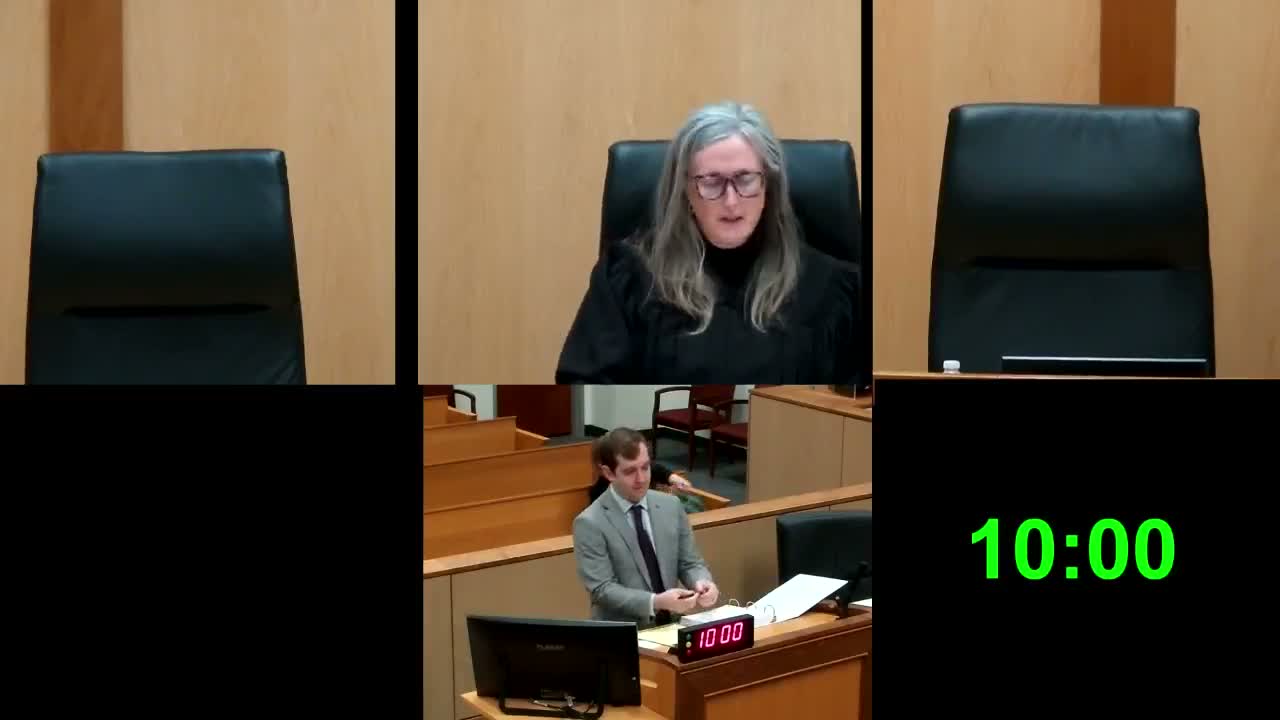
Division II of the Washington Court of Appeals on April 1 heard argument in Mason v. Vancouver School District over whether a discrimination claim based on secretly recorded video requires a contemporaneous subjective understanding by the victim.
Alex Dietz, counsel for the petitioners, told the panel that the central question is one of pure law: whether Washington's public-accommodation discrimination statute requires that a victim know, at the time, that they are being discriminated against. "No language in the statute that requires this, there's no contemporaneous requirement," Dietz said, arguing that imposing such a rule would "vanish" disparate-impact claims that proceed even when affected individuals are unaware of the discriminatory practice.
Dietz described the underlying factual posture as involving "secretly video recorded in dressing rooms and bathrooms" and said the related putative class action has been stayed because the resolution of this legal issue would be outcome-determinative for the class claims.
Presiding Commissioner Aurora Vers questioned counsel about why the issue merits discretionary review under the appellate rule and about the superior-court proceedings. Dietz responded that both parties and the superior court agreed to the procedural path and that the question presented is dispositive of multiple interrelated claims.
Ken Masters, counsel for the respondents, told the court he believed the superior-court findings were correct and acknowledged the unusual stipulation in the record. Masters said there is legal authority supporting a contemporaneous-intent or similar requirement in related federal cases, citing the Eighth Circuit decision in Cottrell in the Title VII context, but he also acknowledged the issue has not been directly settled in Washington and that appellate clarification would be helpful.
After hearing argument from both sides, Commissioner Vers said she would take the matter under advisement and issue a written ruling as promptly as possible.
The court did not rule from the bench. The parties were directed to await the written opinion, which the commissioner said would be issued shortly.