Lifetime Citizen Portal Access — AI Briefings, Alerts & Unlimited Follows
Fire chief urges voters to approve levy to close near-$1 million shortfall, warns of staffing brownouts
Loading...
Summary
Delhi Hills trustees heard a presentation from the fire chief that a proposed property-tax levy on the upcoming primary ballot is needed to close a projected near-$1 million budget gap, sustain staffing and preserve current response times; trustees pledged outreach to inform voters.
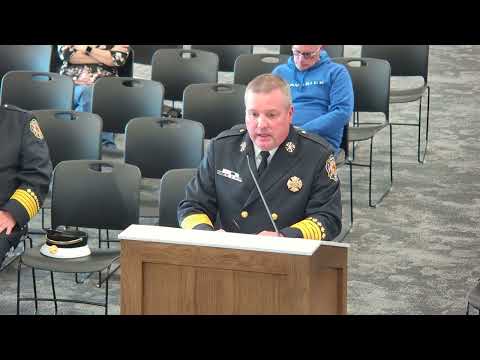
DELHI HILLS — The township fire chief told trustees at a council meeting that the fire department will ask voters in the upcoming primary to approve a property-tax levy to avert cuts to personnel and services, citing a projected shortfall approaching $1,000,000 by 2026.
The chief said the department has handled about 1,100 runs so far this year and reported an average time from the 9-1-1 call to on-scene of 5 minutes 34 seconds. He warned that, without additional revenue, expenses — driven by rising health-care and workers’ compensation costs, fuel, utilities and equipment inflation — will outpace the township’s largely flat revenue, enlarging the budget gap.
"We have gone as far as we possibly could to run a lean operation," the chief said, adding that personnel make up about 85% of the department’s budget. He cited the rising cost of protective equipment, saying bunker gear that used to cost roughly $3,000 now approaches $5,000 and self-contained breathing apparatus units cost about $11,000–$12,000.
The chief recounted the township’s experience after a failed levy in 2005, when station closures and layoffs led to so-called "brownouts" — partial reductions in staffing that increased response times and, in the chief’s view, contributed to greater property loss. He quoted residents from that period to illustrate community concern, including a March 2005 comment attributed to Don Thompson: "If they cut down to that many, I don't know. I guess we're just gonna have to pray a lot." The chief said the department seeks to avoid returning to those conditions.
Trustees and staff pressed for details. A trustee asked about the homeowner impact; a staff member gave an example of about $112 per year on a $100,000 tax value. The chief emphasized that levy revenue would not be available until the year after it is approved — funds would begin to arrive in 2027 — and reiterated that township law restricts local revenue options: townships cannot levy sales or income taxes under Ohio law, he said, leaving property-tax levies as the principal means to raise additional local funds.
Trustee Seavey praised the department's response record and recounted waiting 21 minutes for a Cincinnati response in a personal emergency, saying the township’s faster response times are a critical public-safety benefit. Trustee Stearts and other trustees said they would help the department get accurate information to residents and encouraged public questions and engagement.
The chief also clarified retirement costs: he said pension contributions are state-mandated, with employees paying roughly 12% and employers about 24% of the cost. He described personnel workloads and training requirements as ongoing investments necessary to maintain certification and response readiness.
No formal vote was taken at the meeting. Trustees told the chief and staff they will assist with outreach and provide avenues for residents to ask questions about the levy and the department’s finances.
The next procedural step is the levy’s appearance on the primary election ballot; trustees and staff urged residents to contact the fire department or township administration for detailed financial documents and questions.