Lifetime Citizen Portal Access — AI Briefings, Alerts & Unlimited Follows
Lawmakers debate a $5 million-a-year tourism aesthetics tax-credit program; critics cite unquantified revenue loss
Loading...
Summary
Bill 228-38 COR would establish an "Enhancing Tourism Aesthetics" program under Chapter 77 with an annual cap of $5 million and a five-year sunset; supporters said it positions Guam to compete for visitors, while opponents warned of unquantified fiscal cost and the risk of political favoritism without clear GEDA/GVB metrics.
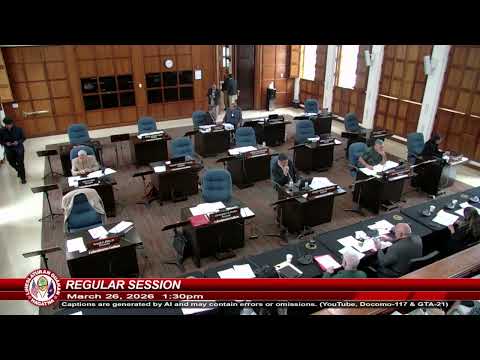
The Committee of the Whole reviewed Bill 228-38 COR (committee substitute) to create an Enhancing Tourism Aesthetics (ETA) program aimed at revitalizing tourism corridors and visitor-facing public spaces. Senator Luhan, the bills author, said the program is meant to improve Guams "product" beyond hotel rooms and airline seats to include streetscapes, landscaping and building conditions that shape visitorsfirst impressions.
During markup the committee moved the program from the QC (qualifying certificate) code into Chapter 77s special-projects framework, a change the author said came at GEDAs recommendation to align the policy with special-project administration. The committee substitute includes an annual program cap of $5,000,000, a five-year sunset with a mandatory pre-sunset evaluation, and a rulemaking timeline: GEDA must promulgate rules within 120 days of enactment in consultation with DRT and DOA.
DOA/BBMR testified that the cap and reporting provisions reduce fiscal risk and facilitate GASB 77 reporting, but fiscal staff and multiple senators requested more detail on expected returns and how GEDA will score projects for visual impact, local labor use, and tourism contribution. Several senators raised procedural concerns about key implementing agencies (GEDA/GVB) not being present in this panel and asked for GEDAs detailed scoring rubric and economic projections.
Opponents warned the tax-credit-like mechanism could become a revenue drain if not tightly controlled, with one senator noting the committee record lacks projected revenue gains that would offset potential losses; supporters said the program could spur local contracting, materials purchases and employment, producing taxable activity that partially offsets forgone receipts.
Round 1 closed with committee members asking for additional information from GEDA, DOA and DRT about implementation rules, metrics, and estimated net fiscal impact before the bill advances.