Get Full Government Meeting Transcripts, Videos, & Alerts Forever!
Get email alerts on the Substance Use Disorder topic
No spam. Unsubscribe anytime.
Centerstone clinician outlines causes, emerging threats and treatments for substance use disorder at Monroe County Cares meeting
Summary
At a Monroe County Cares community meeting, Ashley Collins of Centerstone reviewed causes and brain effects of substance use disorder, warned about new dangers such as xylazine and illicit benzodiazepines, and explained evidence-based treatments including methadone, buprenorphine and naloxone guidance.
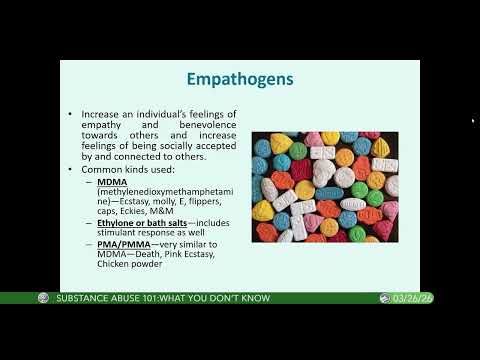
Ashley Collins, a licensed clinical social worker and director of adult and family services for Centerstone’s West Region, told attendees at a Monroe County Cares community meeting that addiction is “a chronic, often relapsing brain disease that causes compulsive drug seeking and using despite those harmful consequences.” Collins led a broad overview of drug categories, newer threats in the local supply and treatment options including medication-assisted treatment.
Collins framed substance use disorders as multifactorial, citing genetics, early exposure and trauma. She said children of parents with substance use disorder are about eight times more likely to be biologically predisposed to addiction and that individuals who try alcohol or marijuana before age 15 are nearly four times more likely to develop a substance use disorder than those who wait until 18 or older. To illustrate how substances affect the brain, Collins described three brain circuits that fuel compulsive use: the basal ganglia (reward), the extended amygdala (withdrawal-driven use) and the prefrontal cortex (reduced impulse control).
The presentation flagged several emerging threats. Collins warned that fentanyl increasingly contaminates non-opioid supplies and advised that naloxone be administered to anyone suspected of an overdose because “you don’t know what is in it.” She described xylazine — a veterinary tranquilizer sometimes called “tranq dope” — as producing deep skin ulcers that can become necrotic and lead to amputations, and urged wound-care practices such as cleaning with soap and water and keeping wounds moist under nonadhesive dressings. Collins also highlighted illicitly manufactured benzodiazepines (for example, bromazolam) and other novel sedatives often produced outside pharmaceutical channels and sometimes mixed with fentanyl.
On treatment, Collins explained medication-assisted treatment (MAT or MOUD) for opioid and alcohol use disorders. She described three treatment “buckets”: methadone, buprenorphine (including Suboxone and newer injectable options), and naltrexone/Vivitrol. Collins said methadone has the most research behind it but is highly stigmatized and limited by access: in Indiana, opioid treatment programs dispense liquid methadone and strict take-home rules mean some patients travel long distances to receive daily doses. She urged clinicians and the public not to view MAT as substituting one drug for another, and cited research indicating reduced overdose deaths among people receiving MAT — noting a 38 percent reduction associated with buprenorphine and a 59 percent reduction associated with methadone.
Collins emphasized safety around withdrawal and post-acute recovery: “When people are coming off of alcohol and benzodiazepine, they can die from withdrawal. They can die,” she said, and advised that anyone stopping those substances be medically evaluated for supervised detox. She also described the post-acute stage of withdrawal, which can produce emotional symptoms lasting up to two years as brain chemistry recovers.
The presentation closed with practical supports: Collins recommended evidence-based, trauma-informed curricula for clinicians working with families, named peer and mutual-aid groups (AA/NA, SMART Recovery, Recovery Out Loud, Celebrate Recovery, Al-Anon/Alateen), and offered a slide deck and recording to attendees who provided an email address. During a short Q&A, she recommended intensive outpatient care and structured follow-up after residential treatment and discussed tensions between child-welfare timelines and realistic recovery timelines.
Lee Muser, the Cares coordinator who opened the meeting, said attendees could email to receive proof of attendance and materials; Collins said she would share the slide deck and recording with those who submitted emails.
The Monroe County Cares meeting provided clinicians, service providers and residents with up-to-date clinical framing, harm-reduction guidance and local resource steps; Collins encouraged trauma-informed, sustained supports and medical supervision for withdrawal and MAT decisions.