Lifetime Citizen Portal Access — AI Briefings, Alerts & Unlimited Follows
Willacy County schedules workshop after prolonged sheriff’s phone outages as vendor pitches cloud phone system
Loading...
Summary
After months of chronic outages at the sheriff’s office, Willacy County commissioners approved a workshop and a special meeting to evaluate a proposal from Vested Networks to replace the county’s phone system; vendors and a former BTX executive described automatic failover, mobile apps and improved support.
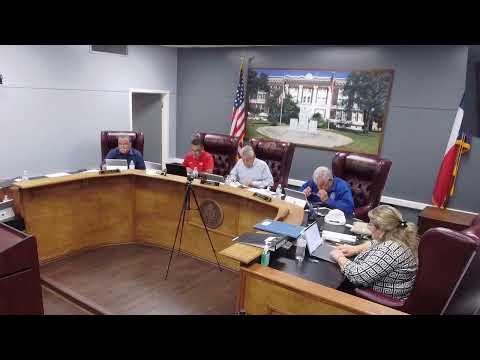
Willacy County Commissioner’s Court voted April 9 to hold a workshop and a special meeting to consider replacing the county phone system after repeated outages left essential lines in the sheriff’s office out of service for extended periods.
The discussion began after commissioners described long‑running problems with the county’s hosted phone system — including one report that only 11 of 22 handsets in the sheriff’s office were operational — and requests from the sheriff for a reliable solution. The court heard a presentation from Evan Huff, who introduced himself as the owner of Vested Networks, and from another participant who said he had been a vice president at BTX (the incumbent vendor). Huff said his company’s hosted phone system offers automatic failover, mobile and laptop apps that keep users reachable off‑site, and department‑level billing and support that can shorten hold times and simplify cost allocations.
"You shouldn't have phones go down," Huff said, arguing that a properly configured hosted system with failover and backup Internet links would keep the sheriff’s office and other county functions reachable “24/7.” A former BTX executive added that much of the county’s problem has been inconsistent training and limited local support under prior arrangements.
Commissioners flagged several implementation concerns during the exchange: existing contracts (some county accounts have different renewal dates), the number of seat licenses and trunks actually being billed, and whether the county could recover charges for lines that were not working. County staff and auditors were asked to verify account counts and billing before any final decision. Commissioners also discussed the possibility of funding installation through co‑op purchasing arrangements and the effect of any multi‑year commitment on the county budget.
The court approved a motion to hold a workshop with county IT, the sheriff’s office and vendor representatives present, followed by a special meeting to consider specific contract action. The court emphasized not breaking current contracts without legal review and asked staff to produce a clear bill‑by‑bill comparison and an itemized list of nonfunctional phones and dates of outage for potential reimbursement review.
The court’s procedural step does not authorize a contract; it directs staff to prepare comparative cost and service information for the upcoming workshop.