Lifetime Citizen Portal Access — AI Briefings, Alerts & Unlimited Follows
Council member introduces "right to cooling" ordinance to add cooling to rental habitability standards
Loading...
Summary
Council member Dylan introduced draft legislation to require rental units to maintain a safe maximum indoor temperature (targeting compliance for most rentals by 2031 and exempting new construction after 2027); the draft includes a private right of action and ties enforcement to the city's rental registry. Members raised questions about incentives, peak electric loads and inspection capacity; a public hearing is scheduled for April 9.
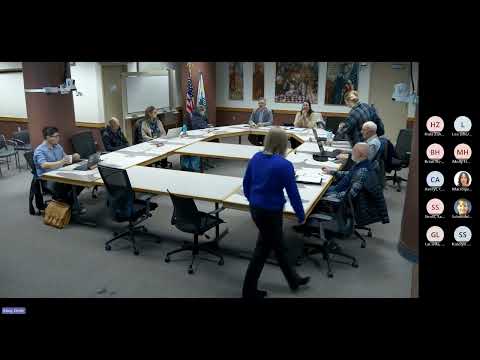
Council member Dylan presented a draft "right to cooling" ordinance on April 1 that would add an indoor cooling requirement to the city's rental habitability framework, tying enforcement to the city's existing rental registry.
Dylan said the ordinance is designed to be technology-agnostic: the goal is to ensure habitability and tenant safety during extreme heat events, not to mandate a specific appliance. The draft includes a private right of action and lease-termination remedies allowed under Washington state law; it proposes an on-ramp that aims for compliance of older rental housing by 2031 while exempting buildings constructed after 2027 that already meet newer standards.
Dante of the Gonzaga Climate Institute told the board the institute began researching extreme-heat solutions after the 2021 heat dome that caused multiple deaths in the region and that the proposed five-year on-ramp aims to give low-income housing providers time to comply. He said the institute's outreach included community surveys and engagement with housing advocates.
Members questioned how increased cooling demand would affect peak electricity loads, whether incentives and retrofit assistance should be added to the draft, how enforcement would work in practice given staffing constraints for proactive inspections, and whether passive cooling and weatherization could be emphasized as alternatives. Dylan said revision to incentive language and clarifying references to existing heating requirements would be considered before the scheduled April 9 hearing.
The board did not vote on the ordinance; staff confirmed the proposal will appear in committee for a hearing on April 9 and that the drafter plans to circulate a revised version addressing incentive and enforcement language ahead of that meeting.