Get Full Government Meeting Transcripts, Videos, & Alerts Forever!
Get email alerts on the Algorithmic Management topic
No spam. Unsubscribe anytime.
Sen. McNerney’s 'No Robot Bosses Act' clears Senate labor committee amid industry pushback
Summary
The Senate Committee on Labor advanced SB 947, the 'No Robot Bosses Act,' after testimony from unions and tech-privacy advocates supporting a human-review requirement for automated termination or discipline decisions and business groups warning of operational burdens and litigation risks.
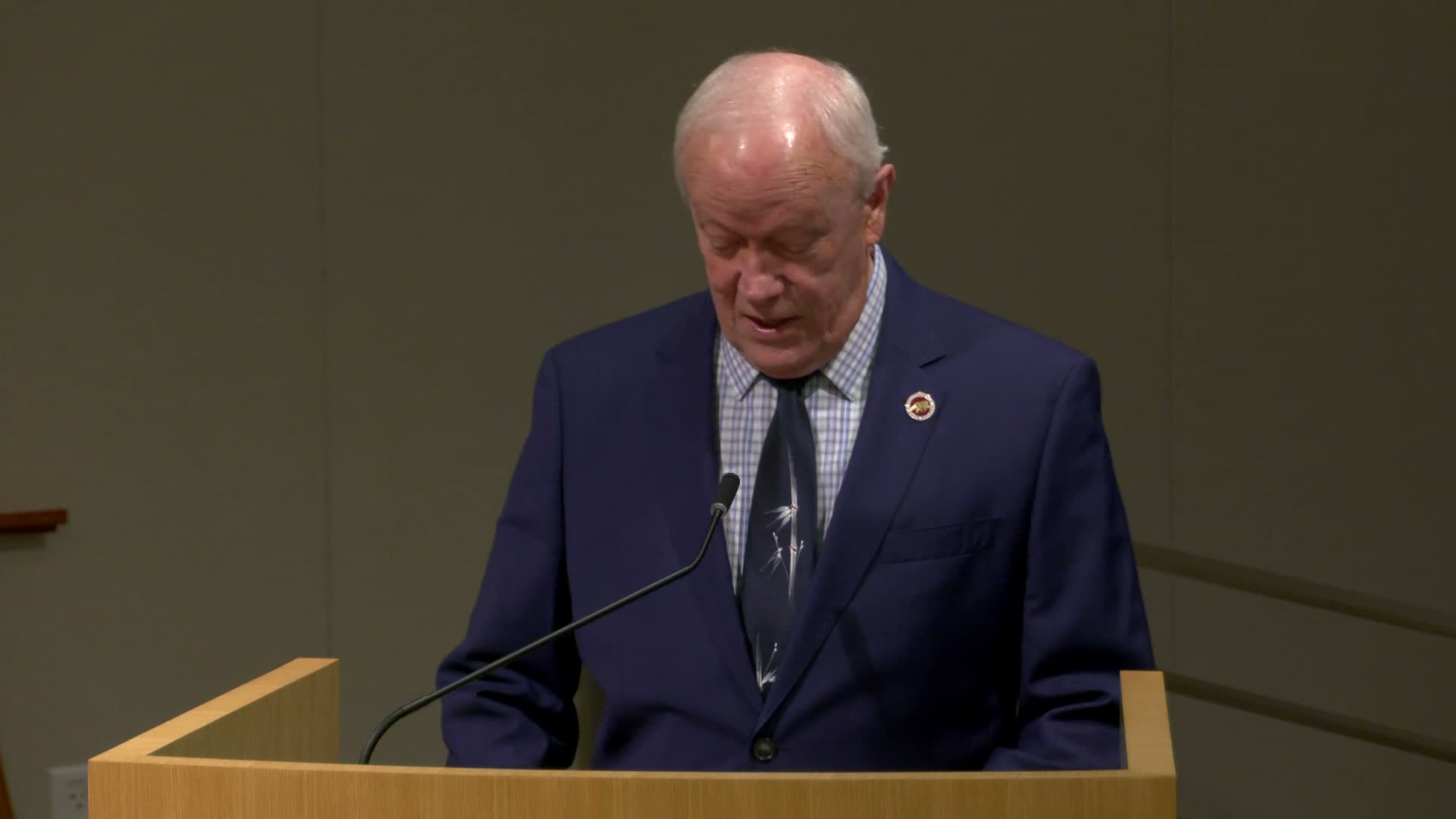
Sen. McNerney introduced SB 947, the No Robot Bosses Act, to the Senate Committee on Labor, Public Employment and Retirement, saying the bill would require human review when automated decision systems assist in disciplinary, termination or deactivation decisions and would ban predictive behavior analysis that could subject people to punishment before wrongdoing. "Humans should be making these decisions," the author said during committee remarks.
Union supporters told the committee the bill fills a gap in workplace protections as employers increasingly rely on algorithmic systems. Yvonne Fernandez of the California Federation of Labor Unions said research shows many managers already use AI to make consequential employment decisions and that some systems are making final determinations without human oversight. "No worker should have their livelihood stripped away because an algorithm is incapable of understanding the nuances of everyday human life," Fernandez said.
Shane Guzman of the Teamsters added that algorithmic tools have proliferated and that government intervention is warranted to prevent discriminatory or erroneous inferences that can lead to terminations. Several other labor, education and privacy organizations registered support on the record.
Business and industry witnesses expressed concerns about the bill’s scope and practical effects. Ashley Hoffman of the California Chamber of Commerce said SB 947 is broader than last year’s SB 7 (vetoed) and warned that language in this draft could trigger obligations whenever a tool merely 'assists,' rather than when it is primarily relied upon. Chris McCailey of the Civil Justice Association said the bill reinserts a private right of action and expands territorial reach; he also argued independent contractors should not be included in the worker definition.
Committee members pressed both sides on enforcement and due process. Senator Cortese asked how the committee should balance the need for human oversight against tools that improve safety; supporters and opponents agreed that the details — when human corroboration is required and what enforcement mechanism applies — are central to the final bill language. McCailey and Hoffman said enforcement through the labor commissioner (administrative process) is preferable to a broad private right of action.
After discussion and the author's closing remarks, the committee moved SB 947 forward. The clerk recorded committee roll calls during the hearing; the item was reported out to the Senate Committee on Privacy, Digital Technologies, and Consumer Protection following recorded votes in committee.