Lifetime Citizen Portal Access — AI Briefings, Alerts & Unlimited Follows
Committee moves tobacco-stamp discount change to third reading amid public-health concern
Loading...
Summary
Legislators advanced Bill 205 to increase the distributor discount for tobacco tax stamps to offset wholesalers' equipment costs. Critics warned the change would reduce funds for cancer and behavioral health programs; supporters said the discount is a standard distributor allowance necessary for enforcement.
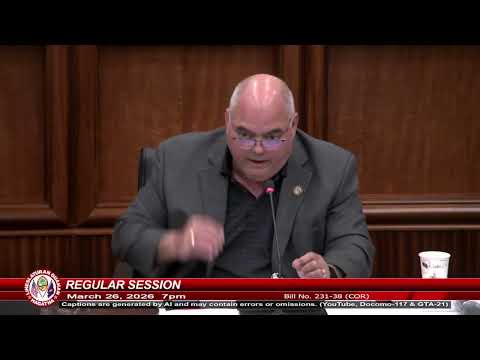
The Committee voted to place Bill 205 on the third-reading file after members debated increasing the distributor discount for tobacco tax stamps.
Senator Talahi and others noted that the stamp affixation requirement was mandated in 2017 but only recently became operational when encoded stamps were circulated in March 2026; wholesalers have been required by law to affix stamps but have incurred equipment and operational costs. The bill would increase the discount (a reduction in stamp price) to compensate distributors for those costs.
Opponents — including public-health advocates cited in testimony — warned the change would reduce resources for the Healthy Futures Fund, the Guam Cancer Trust Fund, the Guam Cancer Registry Fund, and behavioral health services. Senator Talahi said the change "is presented as a beautification effort, yet its true effect is to again divert public revenue into private hands," and urged caution given the health impacts tied to tobacco taxation.
Proponents said the discount is common across U.S. jurisdictions and supports compliance by allowing licensees to cover affixation costs. The author moved the committee recommendation to place the bill on the third-reading file; the motion carried.
Next steps: the bill will be considered on third reading; members said oversight of the discount's real-world effects may be needed to ensure the intended public-health funding remains protected.