Get Full Government Meeting Transcripts, Videos, & Alerts Forever!
Get email alerts on the Holocaust Remembrance topic
No spam. Unsubscribe anytime.
Holocaust remembrance in Concord spotlights survivor stories, local proclamation and restoration projects
Summary
Leora Teck, daughter of Holocaust scholar Nechama Teck, told personal family history and highlighted Polish projects that preserve Jewish memory at a Concord Human Rights Council event; the Select Board read a proclamation designating an April memorial week and announced a town memorial service.
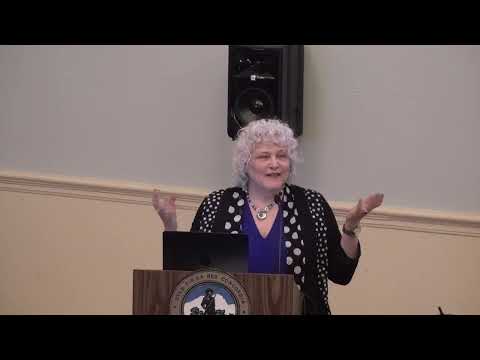
Leora Teck, who introduced herself as the daughter of Holocaust scholar Nechama Teck, recounted her mother’s wartime experiences and described international efforts to preserve Jewish memory during a Holocaust Remembrance program organized by the Concord Human Rights Council on April 6, 2026. Select Board Chair Mark Howell read a proclamation adopted by the Select Board the prior week designating an April week for remembrance and announcing a memorial service at the Concord Town House on April 12 at 7 p.m.
Teck framed remembrance as a matter of people’s stories rather than slogans. She described Lublin, Poland’s prewar Jewish life — noting the transcript’s figures that 43,000 Jews lived in Lublin before World War II and that only about 40 remain there today — and traced her family’s wartime flight, the use of false identity papers, and her mother’s later memoir, Dry Tears. "There is light because there is memory," she said, describing a lamp that burns in Lublin in memory of the city’s Jewish community.
Teck also detailed contemporary Polish initiatives to preserve memory. She introduced the Grodzka Gate – NN Theatre Centre (mentioned in the transcript under variant spellings), which organizes commemorative projects such as a public marking of ghetto boundaries and an exhibit called the "43,000 Folders" that preserves a record for each prewar resident. She described her Neshoma Project, an online video library of interviews (neshomaproject.org), and thanked grant supporters mentioned in the talk (Wellesley and the U.S. Embassy in Warsaw).
Audience members asked questions about local memorial markers (referred to in the discussion as stepping stones or plaques) and Teck’s mother’s postwar trajectory; Teck said her parents were displaced persons in Germany for three years before moving to Israel and later to the United States so her father could study psychiatry. Community members offered testimony and song; Rosalie Garout spoke in appreciation of the organization’s work.
Select Board Chair Mark Howell read the text of a proclamation the board had adopted, citing the historical context of the Holocaust and designating an April week for remembrance; Howell stated the Select Board “call for a memorial service for the victims of the holocaust to be held at the Concord Town House on Sunday, 04/12/2026 at 7PM.” The transcript states the proclamation was adopted by the Select Board the prior Monday but does not provide vote tallies or further procedural detail.
Organizers closed by thanking volunteers and partners (including Minuteman Media Network for livestreaming) and announced the Human Rights Council’s ongoing and planned active bystander trainings; the transcript records that earlier sessions were full and that trainers have been sent to "train the trainer," with an upcoming pilot referenced but no firm, clearly specified date in the transcript. Audio of the event is to be posted on the Human Rights Council site (cchumanrights.org).