Lifetime Citizen Portal Access — AI Briefings, Alerts & Unlimited Follows
State Alcohol and Drug Policy Commission presents strategic plan, asks counties for local input
Loading...
Summary
State ADPC leaders presented a comprehensive, implementation‑focused strategic plan that emphasizes a recovery‑oriented system of care, youth services, improved data, and financial analysis; they asked local committees how the state can support county-level actions and offered toolkits and technical assistance.
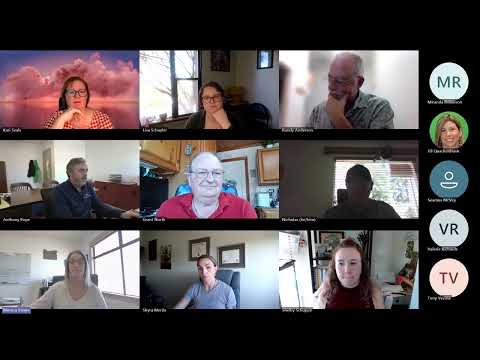
Tony Vesna, chair of the Alcohol and Drug Policy Commission (ADPC), and Annalise Dolph, ADPC director, presented the commission's updated comprehensive strategic plan to the Clatsop County Human Services Advisory Council on April 14.
Tony described the ADPC's charge to align state agencies and improve access to prevention, treatment and recovery supports. Annalise said the commission reorganized its work into prevention, health and safety interventions (formerly harm reduction), treatment, and long‑term recovery committees, and added an infrastructure bucket to improve data, financial transparency and measurable implementation steps.
"The comprehensive plan really gives direction to state agencies," Tony said, and the commission assigned agencies to specific activities in an implementation‑focused Smartsheet so the plan can be tracked and measured.
ADPC leaders highlighted several near‑term actions: a statewide substance use disorder financial analysis due this summer that pulls state spending into a shared dataset; development of web dashboards and one‑page summaries for local use; and a stronger focus on adolescents through the Oregon Youth Addiction Alliance. Annalise said the ADPC conducted statewide outreach during plan development — including Seaside — and wants continuing two‑way communication with counties.
"We want ongoing communication across the state," Annalise said, asking local councils how ADPC can support county work. She proposed possible supports including a local menu of implementable actions, periodic webinars to connect county ADPCs (LADPCs), and technical assistance for local system mapping.
Members asked how to provide structured feedback and whether the commission solicited community input. Annalise said committees had roughly 200 participants per month during planning and outreach likely reached thousands; the team will distribute newsletters and slides and can add local members to mailing lists.
The ADPC presentation concluded with an offer to share toolkits, bylaws examples and annual plan samples from other counties, and to invite local leaders to committee meetings and webinars. County members asked the ADPC to provide a short rubric for feedback so counties can consistently report local progress and needs.