Lifetime Citizen Portal Access — AI Briefings, Alerts & Unlimited Follows
Sagadahoc commissioners weigh opening county budget to nonprofit funding after Tedford plea
Loading...
Summary
Andrew Marti of Tedford Housing urged Sagadahoc County to create a formal process allowing nonprofits to apply for operating support; commissioners expressed sympathy but differed over whether a new policy would open 'floodgates' of requests or provide needed transparency. Board will pursue more information and discuss at the Board of Health and in a September cycle.
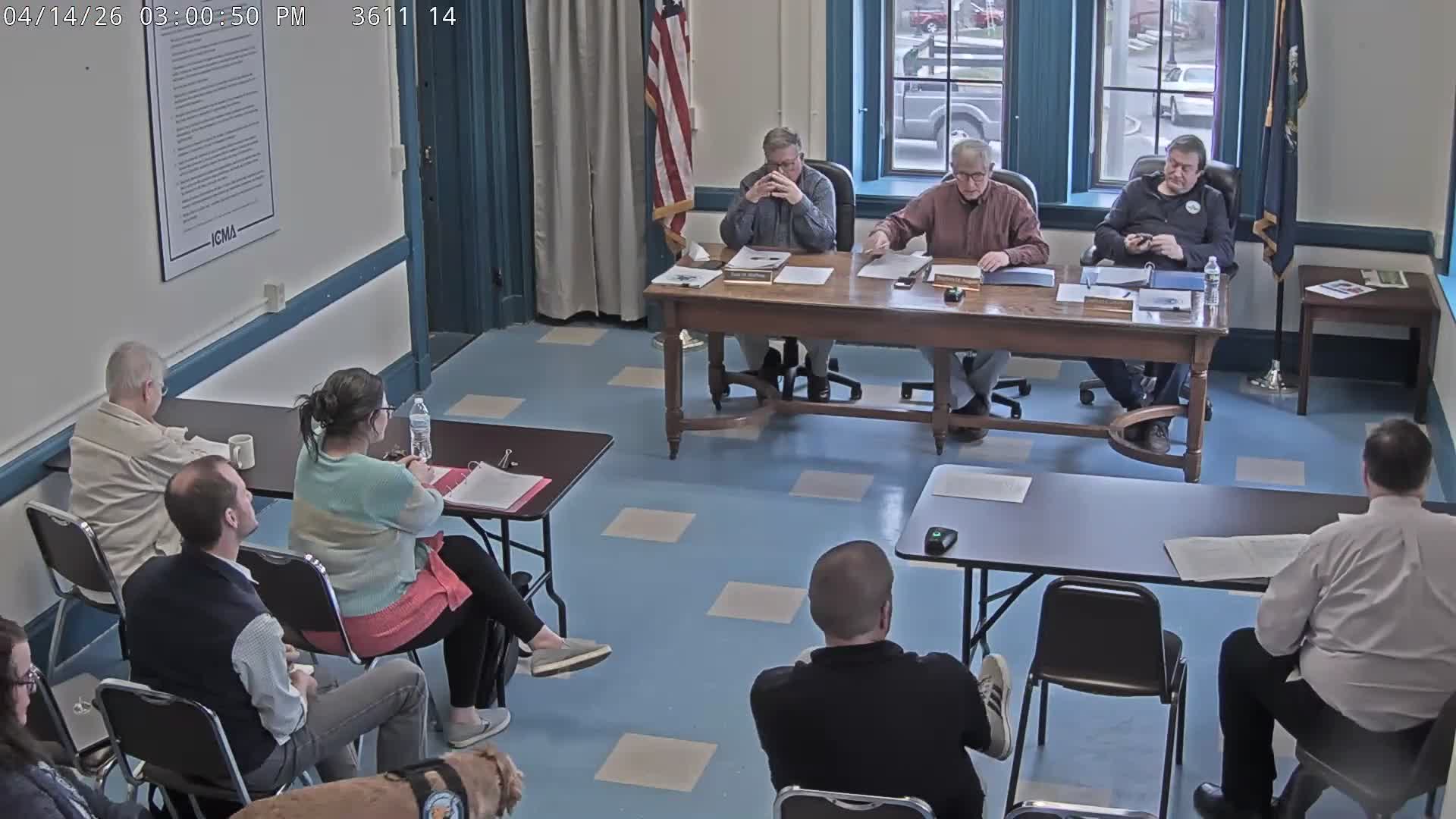
Andrew Marti, executive director of Tedford Housing, asked Sagadahoc County commissioners on April 14 to consider a formal process that would let nonprofit organizations apply for modest, recurring operating support through the county budget. "Twenty‑nine percent of the dollars we send out the door to take care of people in this catchment area are spent on residents of Sagadahoc County," Marti told the board, saying the county is disproportionately represented among those served by his agency and that a routine application process would make funding more efficient than asking 40 towns for small contributions.
Commissioners praised Marti’s presentation but diverged over whether the county should create a standing funding mechanism for nonprofits. One commissioner warned that establishing a policy could invite dozens of applications and become unsustainable: "Once you let one nonprofit other than the three organizations we currently support come forward, we’re going to have a lot of other folks coming forward," that commissioner said. Another said transparency and a formal policy would be important if the county is to treat applicants fairly.
The board discussed current options for one‑time or emergency funding as opposed to ongoing operating grants. Commissioners noted that the county has previously provided emergency assistance to Tedford from opioid‑settlement funds and that the Board of Health has chosen to defer opening the next application cycle until September. Phil, the county’s emergency management/health liaison, confirmed the opioid‑settlement application process is being aligned with a statewide evaluation timeline and that the formal application window does not open until the fall.
Commissioners asked staff to gather examples of how other counties structure nonprofit funding. Several members suggested county administrators contact counterparts in the five counties Marti cited to determine what those counties fund, how they structure eligibility and whether dedicated budget lines or discretionary accounts are used. "If we’re going to entertain an application or request for funds from one group, I feel it’s important we extend that same invitation to other groups in the community," the chair said.
Marti said Tedford has sought to limit requests to a single county and not double‑dip municipalities, and that Tedford’s winter warming center and other services have been supported previously by a mix of private, municipal and opioid‑settlement funds. "If we weren't lucky enough to compete this fall, we would get funds in 2027," he said, describing a potential funding gap in 2026 that would leave programs short roughly a half‑million dollars.
The board did not vote on a new policy. Instead commissioners directed staff to collect additional information from peer counties, to raise the issue with the Board of Health and to revisit the question during the September application cycle or at an upcoming Board of Health meeting. The county’s liaison to the Board of Health will present the commissioners’ concerns and seek clarification about whether the requested operating support would meet the opioid‑settlement pillars if pursued as an emergency request.