Lifetime Citizen Portal Access — AI Briefings, Alerts & Unlimited Follows
Subcommittee adopts report saying Michigan behavioral health system hampered by red tape, workforce and capacity gaps
Loading...
Summary
The House Oversight Subcommittee on Public Health and Food Security adopted a report concluding Michigan's behavioral health system is constrained by regulatory barriers, staffing shortages and limited inpatient capacity and forwarded recommendations for legislative or budget action.
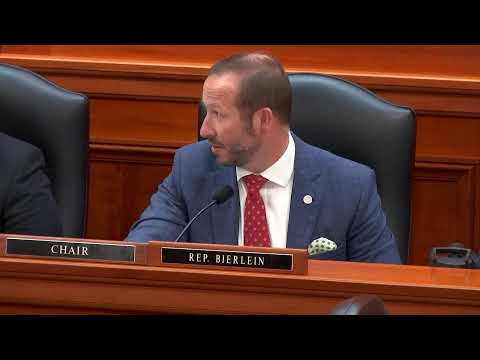
The House Oversight Subcommittee on Public Health and Food Security voted to adopt a report concluding Michigan's behavioral health system is being held back by "too much red tape, not enough workers, and a lack of inpatient capacity," the chair said during the committee meeting.
The report, compiled after six hearings that included testimony from front-line providers, judges, clinicians, Michigan Department of Health and Human Services officials and local mental health agencies, lays out findings and offers recommendations aimed at easing access and expanding capacity. The chair said the subcommittee will distribute the report to the appropriations chairs to inform possible legislative or budgetary action.
Committee members asked for specifics. One member asked whether the report's recommendation to allow "flexible beds" could be implemented through legislation; a staff member responded that legislation has been drafted or is being drafted to give providers more flexibility in bed use. Another member asked about recommendation No. 5, which calls for state funding targeted to staff training, safety and education incentives to stabilize the behavioral health workforce; staff said the plan is to make sure appropriations subcommittee chairs receive copies of the report so those options can be considered in the DHHS budget process.
A committee member raised concerns that discussions of institutional or inpatient capacity could inadvertently affect people with intellectual and developmental disabilities because, in Michigan, community mental health serves that population as well. A staff member responded that the report's capacity discussion focuses on the forensic pathway — "the forensic process are the folks who have been deemed a risk to themselves and others" — and does not include institutionalization of people with developmental disabilities.
A member asked whether the Michigan Department of Health and Human Services helped draft or review the report; staff said MDHHS did not participate in drafting beyond providing testimony to the committee.
The chair moved to adopt the report. The clerk conducted a roll-call vote, asking for the chair, Representative Paquette, Green, McDonald and Sternberg; the clerk announced the motion passed and the report was adopted. With no further business, the subcommittee adjourned.
The report adoption directs staff to share the findings with appropriations leaders; any specific legislative proposals, draft bills or budget allocations to implement the recommendations have not yet been filed, and timing for next steps was described as contingent on appropriations deliberations.