Lifetime Citizen Portal Access — AI Briefings, Alerts & Unlimited Follows
Committee recommends 90‑day extension of moratoria on group‑home and gas‑station permits while UDC is finished
Loading...
Summary
The Community and Economic Development Committee recommended that Troy City Council extend moratoria by 90 days on new applications for community‑oriented residential social service facilities and on zoning permits for automobile fuel and service stations while the city finalizes a new Unified Development Code (UDC). Developer representatives said the extension would stall a near‑complete gas‑station project.
The Community and Economic Development Committee on April 13 recommended that Troy City Council extend two moratoria—one covering new community‑oriented residential social service facilities and a separate moratorium on accepting new zoning applications and issuing zoning permits for automobile fuel dispensing and service stations—by 90 days, to preserve the status quo while the city finalizes a new Unified Development Code.
Chair Lynn Snead introduced the item and said staff recommended the temporary extension because the UDC and related zoning updates are under legal review and must be threaded through planning commission and council processes. City staff told the committee the proposed extension would run through Aug. 28 unless the UDC becomes effective earlier, in which case the moratoria would expire when the new code takes effect.
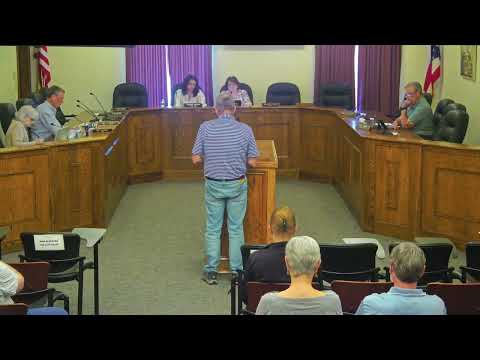
Rebecca Simpson, an attorney with Finney Law Firm, told the committee she represents Troy Station LLC and said the company had been engaged in the city's review process for months. "My client has spent about $600,000 working on this process and getting things in place to start the gas station," Simpson said. She asked the committee to consider narrowing the moratorium exception so parties who had completed the city's formal review process but had not yet filed the technical online application and fee would still be treated as applicants eligible to proceed.
An engineer for the project said Miami County building permits and fire department approvals were in hand and that the remaining steps were a state underground‑storage‑tank filing (referred to in the record as a 'buster' form) and resolution of a billboard/rights issue. He said an extended delay could push construction into less favorable weather and increase costs.
City staff and a development‑process official described the city's routine pre‑application review, which allows developers to meet with staff for iterative feedback before formally filing an application and paying fees. Staff emphasized that those pre‑application reviews are informal and that, under city practice, the time clock for a filed application begins only when the applicant submits the technical application and fee. That technical filing, staff said, had not been completed before the original moratorium took effect, so the current moratorium language does not include the Troy Station project in its applicant exception.
Council members pressed staff for a timeline for the UDC review; staff said planning commission and council deliberations will determine timing and could range from a single planning commission meeting to multiple council readings that include required public‑hearing windows. Several members said they support the 90‑day recommendation so the UDC process is not interrupted, but they also urged staff to circulate drafts and move the code update through the process promptly.
The committee voted unanimously to forward the 90‑day extension recommendation to council, with members asking that staff provide any available UDC draft and that legal staff evaluate options such as the lien or tank‑removal approaches suggested by one council member. The recommendation does not itself change local law; council action will be required to adopt any extension or code change.
What happens next: the committee's recommendation goes to Troy City Council for consideration. If council approves the extension, the moratoria will remain in place until the new expiration date or until the new UDC takes effect earlier.