Lifetime Citizen Portal Access — AI Briefings, Alerts & Unlimited Follows
Long Beach council advances home-kitchen ordinance, drops landlord sign-off from program rules
Loading...
Summary
The council introduced an ordinance to allow microenterprise home kitchen operations (MECO) and amended program guidance to avoid requiring landlord written authorization as a condition of permit issuance, while keeping tenant protections and a notification process in program rules.
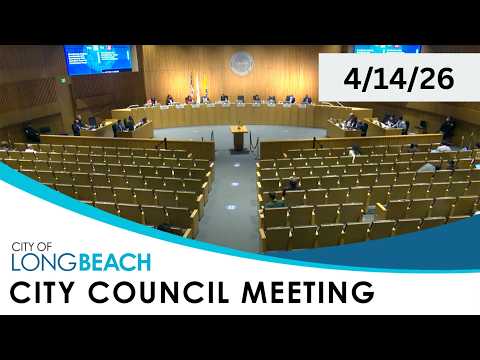
The Long Beach City Council on April 14 introduced an ordinance to establish microenterprise home kitchen operations (MECO) in the municipal code and approved program guidance that removes a required landlord or homeowners association written authorization as a condition of a health permit.
The move creates a permit pathway for residents to prepare and sell modest amounts of homemade food from their homes under a new Chapter 5.35 of the Long Beach Municipal Code. Judith Leung, the Environmental Health Bureau manager, told the council staff’s proposal substitutes an applicant self-attestation and post-approval notification to property owners and HOAs for a prior written authorization, arguing that approach reduces barriers while preserving transparency and enforceability.
“Not requiring a letter of agreement strikes a better balance between enforceability, access, and administrative efficiency,” Leung said, summarizing staff’s recommendation. She noted staff consulted with advocacy groups and apartment associations and found established MECO programs statewide report high compliance rates.
Advocates from Cook Alliance, the Vendor Justice Committee, and other community groups told the council the prior requirement would chill participation by renters who may fear retaliation or be unable to reach landlords. “Even notification can create fear and uncertainty,” Jessica Coronado, an economic justice coordinator, said. Speakers recommended a simple self-attestation, fee waivers, and application assistance to keep startup costs affordable for low-income entrepreneurs.
Several council members voiced concern about tenant protections if a permit were issued without landlord knowledge. “Without written prior authorization, this would allow a tenant to invest in a home-based kitchen only to face a three-day at-fault eviction,” Councilmember Duggan said, urging caution. Staff and the city manager explained that because the city performs both health permitting and code enforcement, the recommended program guidance intends to protect tenants by encouraging written permission but not formally requiring it in the ordinance.
Councilmember Zendejas moved to advance the ordinance and accept a friendly amendment to remove mandatory landlord notification from the ordinance and keep any notification as a program-level policy. A substitute motion to adopt staff’s original language failed 4-4; the amended motion carried, and the council read the ordinance for first reading and laid it over for final reading.
Councilmembers asked staff to build due process into the notification step so landlords who object can update leases or raise concerns without automatically triggering eviction or immediate enforcement that would leave tenants unprotected. Staff also committed to a programmatic check-in (six months to one year) to review implementation and suggested partnering with county programs, fee waivers and business navigators to help prospective MECO operators complete permits and business licensing.
The council’s action also included a companion zoning code amendment to classify MECO as a permissible home-occupation use, which staff said is consistent with the general plan and does not change land-use intensity. The zoning ordinance and local coastal program amendment were introduced for first reading and will be sent to the California Coastal Commission for review.
Next steps: The ordinance will return for a final reading at a subsequent regular council meeting; staff will prepare program guidelines that specify timing and content of property-owner notifications, applicant attestation language, fee estimates (staff indicated a proposed health permit fee in the ~$500 range), and outreach supports for applicants.