Lifetime Citizen Portal Access — AI Briefings, Alerts & Unlimited Follows
Planning commission narrows buffer proposal, agrees to tie tree surveys to grading permits
Loading...
Summary
Commissioners debated buffer widths and a proposed "grand tree" rule on April 15, moving toward 20-foot frontage buffers (from 25), 10-foot interior buffers (from 15) and requiring tree surveys when a grading permit is triggered rather than for individual lot builds.
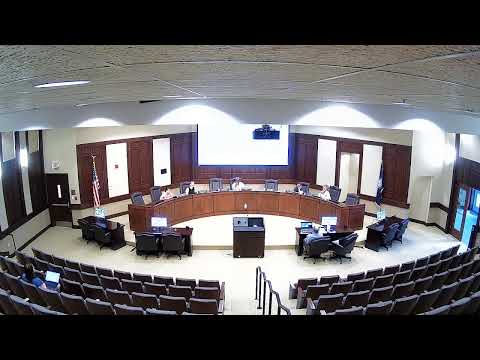
The North Augusta Planning Commission continued a study-session on a proposed tree-preservation text amendment on April 15, narrowing earlier proposals on buffer widths and agreeing to require tree surveys when a grading permit is required.
Staff introduced three recommendation areas: buffer widths for common-development frontages and adjacent subdivisions; a definition and protection for a "grand tree" at a specified diameter at breast height (DBH); and a requirement that landscape plans show existing grand trees and any proposed removals. "All landscape plans shall show existing grand trees and any grand tree proposed to be removed," staff said while outlining draft code language intended to protect significant trees.
Commissioners debated the tradeoffs between visual screening and lot buildability. Some members preferred Columbia County’s 25-foot frontage buffer for its screening value; others worried that wider buffers would shrink buildable area and reduce lot yield. The chair proposed a compromise to reduce the 25-foot figure to 20 feet for street-adjacent buffers and lower the interior buffer from 15 feet to 10 feet. A number of commissioners said they could support a 20/10 approach as a middle ground.
Members also discussed the DBH threshold for a protected "grand tree," with proposals ranging from about 18 to 24 inches; staff noted 24 inches was used in some comparable ordinances but the commission left the precise number open. To reduce cost and administrative burden on single-lot homeowners, the commission coalesced around the idea of requiring a tree survey only when a grading permit is triggered, rather than for all individual building permits. "If they trip the requirement for a grading permit, it would require a tree survey," Mr. Paradise said.
Commissioners agreed to bring final draft language back for advertising as a text amendment so the full ordinance revision can be considered at a later meeting.