Lifetime Citizen Portal Access — AI Briefings, Alerts & Unlimited Follows
Sultan board plans candidate outreach and advocacy toolkit as funding pressure grows
Loading...
Summary
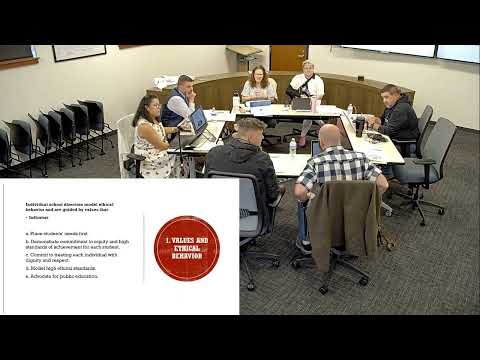
Directors at the April 13 study session said the district must step up advocacy—hosting candidates, coordinating messaging, and using listening sessions—to respond to funding shortfalls and build support for potential bonds and legislative priorities.
Board directors in the Sultan School District agreed at a study session on April 13 to step up legislative and community outreach as funding pressures continue to affect local programs. Board Director (Speaker 5) framed advocacy as a priority, noting the biennial budget cycle concentrates opportunity for change in the next legislative session.
Speaker 5 said local storytelling matters for legislators: "When you can tell local stories to legislators instead of just, like, 'yeah, this is terrible,' like, it's terrible because we're gonna have 26 less students get access to transitional kinder." The board discussed preparing a messaging 'toolkit' and a schedule to invite legislators and candidates to tour schools and meet families.
Practical steps discussed included hosting candidate forums or debates at the high school, using student-produced videos to illustrate needs (for example, what a new high school would mean to current students), and partnering with neighboring districts to broaden outreach and turnout. Board Director (Speaker 1) said she will draft toolkit materials from recent legislative conference resources and circulate them to the board for feedback.
Timing and next steps: directors encouraged early coordination of talking points, attendance at the January legislative session, and using events such as 'supper with the superintendent' and PTO meetings to focus community attention on bond proposals and election turnout. Speaker 1 noted a recent town hall by state Rep. Brian Burnett as an example of where the board could increase visibility by inviting candidates to district events.
No formal votes or policy decisions were recorded during the study session; directors agreed to develop and share outreach materials and to notify the board when legislators or candidates are scheduled to visit.