Lifetime Citizen Portal Access — AI Briefings, Alerts & Unlimited Follows
Sultan School District board reviews individual director standards, flags data and equity priorities
Loading...
Summary
At a workshop-style study session April 13, Sultan School District board directors reviewed Washington school board standards for individual directors and discussed using data, school visits and listening sessions to improve student outcomes and community engagement.
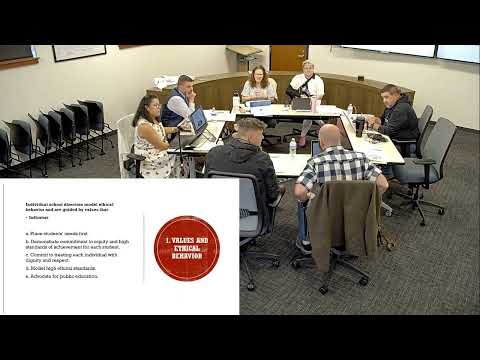
The Sultan School District board met in a workshop-format study session at 6 p.m. on April 13 to review Washington’s school board standards for individual directors, with Board Director (Speaker 1) leading the discussion and inviting feedback on values, leadership, communication, accountability, professional development and equity.
Board Director (Speaker 1) opened by explaining the session’s format and the materials provided, including a standards packet and a PowerPoint. "We wanted it to be more of—not just Chris or I sitting here talking about it—but go through each one and discuss how important it is to us," the director said, urging directors to consider examples and personal goals.
Why it matters: directors said the standards would guide a future board self-evaluation and help the board be more consistent in how it supports students and staff. Several directors pushed for clearer, data-driven oversight: Speaker 1 suggested regular meeting materials that include test scores and trend data from PLC teams so the board can monitor competency and attendance over time.
Directors gave concrete examples under the 'values and ethical behavior' standard. Board Director (Speaker 2) pointed to the district practice of inviting "students of the month" to meetings and providing brief recognitions and photos, calling that a way to put students first. Several directors said more school walkthroughs and direct conversations with students and staff would help them better understand classroom needs; Board Director (Speaker 3) acknowledged not yet having done walkthroughs and accepted a personal commitment to increase visits.
Attendance and data: the board discussed chronic absences among elementary students and debated whether calendar changes or expanded outreach could reduce missed days. Board Director (Speaker 2) said metrics like passing grades by letter and absence rates would help identify where to focus interventions. "If we have a high number of kids still being absent, we'll know where we need to focus," Speaker 2 said.
Professional conduct and public communications drew sustained attention. Directors stressed caution on social media and being mindful that public comments can be scrutinized. Board President (Speaker 6) described the board president role’s responsibilities for regular outreach. On accountability, Speaker 1 emphasized disclosing conflicts of interest and adhering to board decisions.
Directors also discussed using professional development to build governance capacity. The board noted a prior practice of pooling RCW-authorized meeting compensation into a line for training; Speaker 2 said the RCW allows $50 per meeting. The directors debated formalizing a line item for those funds.
What comes next: directors asked for follow-up: Speaker 1 said the board would use these standards to inform the self-evaluation process and asked members to email suggested study-session topics. The meeting closed with a routine motion to adjourn.