Lifetime Citizen Portal Access — AI Briefings, Alerts & Unlimited Follows
Sacramento council workshop tests options to implement 'missing middle' zoning and local approach to SB 79
Loading...
Summary
City staff outlined zoning options to implement the 2040 General Plan's missing middle housing policy and presented local approaches to implementing state SB 79; public commenters split over bulk‑control and design standards, and council gave direction for staff to proceed with the recommended package and more outreach.
City staff briefed the Sacramento City Council on a zoning consistency workshop focused on the 2040 General Plan's Missing Middle Housing (MMH) policy and how the city should implement state law SB 79, which takes effect July 1.
Jamie Mosler, an associate planner in the Community Development Department, told the council staff is seeking direction on what constitutes a minor, moderate or transformative change in existing neighborhoods and how those changes should be reviewed. Mosler summarized preliminary implementation data: "As of March 25, there were 34 planning applications submitted, 22 approved and 8 in progress," and said most approved projects involved one‑ or two‑unit buildings and the average FAR across approved projects was about 0.4.
Why it matters: The update will change how much housing can be built by right in single‑unit and duplex zones across Sacramento and how projects near transit can use state SB 79 standards. SB 79 establishes statewide near‑transit floor‑area and height allowances but requires projects to meet eligibility tests such as minimum density and, for larger projects, the provision of some affordable units.
Mosler said staff recommends a house‑scale approach for many single‑family areas while removing the interim ordinance's bulk envelope in areas mapped FAR 2 (closer to transit). For SB 79, staff recommended a local implementing ordinance and codifying SB 79 heights in commercial and higher‑intensity residential zones so those heights could be used locally without requiring every state eligibility test.
Industry groups and builders urged clarity and simplicity. Chris Valencia of the North State Building Industry Association said the association “supports the missing middle housing ordinance as written for the interim ordinance … with the exception of the bulk control envelope,” warning additional design controls could add cost and delay and “will ultimately abandon efforts to build.”
Advocates and YIMBY groups pressed the opposite case. Multiple speakers representing House Sacramento, StrongSacTown and small developer workshops argued that bulk‑control provisions, pitched‑roof requirements and strict width/depth limits are preventing the small multiunit buildings MMH was designed to encourage. "We haven't seen a single 3‑to‑8 unit project" under the interim rules, the Planning & Design Commission vice chair said, urging greater flexibility.
Opticos Design, the project's urban‑design consultant, told the council the proposed pitched‑roof approach is an optional way to make a third story appear house‑scale where single‑story neighborhoods dominate. "The attic and the third‑story pitch roof, that's not required," said Tony Perez of Opticos. "It's simply if you wanted to build a third story in those kinds of places, it would be under a pitched roof; not that a pitched roof or a third story are required."
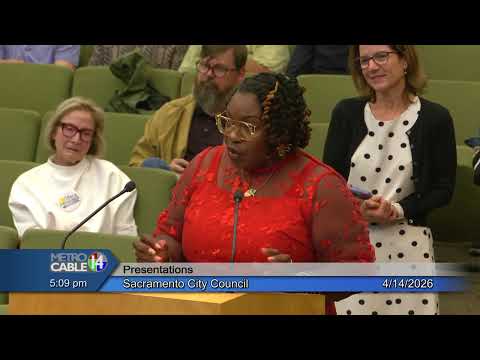
Council reaction and direction: Members expressed divergent priorities—some stressed streamlining to accelerate housing production, others emphasized more community visualization and outreach before removing controls. Council member Maple summarized a direction to staff consistent with the presentation: remove bulk control in the FAR 2 areas, and in FAR 1 areas replace the bulk envelope with standards that allow a third story under a pitched roof while keeping the existing 35‑foot maximum in many places. The item was marked "direction only," and no formal vote was taken. Mosler said staff will fold the guidance into the broader zoning code update, proceed with community engagement and return with draft ordinance language and visualizations.
What's next: Staff will continue the zoning‑consistency process in four phases—analysis, framework and community engagement, ordinance drafting and final public hearings—with an anticipated return for adoption by winter. The project website (cityofsacramento.gov/zoningcodeupdate) and further community sessions were listed as opportunities for public input.