Lifetime Citizen Portal Access — AI Briefings, Alerts & Unlimited Follows
San Bernardino planning panel ratifies denial of drive‑thru McDonald’s in transit‑overlay district
Loading...
Summary
The San Bernardino Planning Commission on a 6‑3 vote (one abstention) ratified its prior denial of a proposed drive‑thru McDonald’s at a Baseline/Sierra Way site, with public commenters and commissioners sharply divided over whether the use fits the Transit Overlay District’s walkability goals.
The San Bernardino Planning Commission voted to ratify its earlier denial of a proposed drive‑thru McDonald’s for a 0.74‑acre site near Baseline and Sierra Way, concluding a meeting that included multiple public speakers, applicant representatives and extended commissioner debate.
Supporters of the denial said the project conflicts with the city’s Transit Overlay District (TOD) and the goal of promoting walkable, mixed‑use corridors. “We don’t need more value meals. We need more value added,” Ruben Mendoza (Ward 7) told commissioners, arguing the market is already saturated and that a mixed‑use project would create more permanent jobs and housing. Robert Carrillo, a Ward 7 resident and developer, urged the commission to stand by its March decision, saying the proposal “does not promote walkability” and is inconsistent with the TOD’s intent.
Applicant representatives and some commissioners pressed the opposite case. Robert Preece, speaking for the applicant, said the McDonald’s is allowed under current zoning and asked the commission not to ratify so the full commission could review the project. Hannah Lovano, the civil engineer on the proposal, said the project team prepared technical reports on traffic, queuing and circulation and looked forward to presenting the full application. Commissioner Carloni said the proposed architecture and landscaping would improve a blighted corner and called the project “a good start.”
Commissioners weighed competing priorities: several members — including Commissioner Pratt — said approving a drive‑through on a small parcel would set a precedent that undermines the long‑term TOD vision. “My concern…is that it’s not compatible with the transit overlay district,” Pratt said, warning that piecemeal approvals could blotch the future master plan. Vice Chair Ivan Garcia and others noted the area’s persistent blight and said an occupied, maintained building could catalyze additional investment; Garcia also referenced upcoming transportation improvements (bike lanes and lighting) along Baseline tied to a grant application.
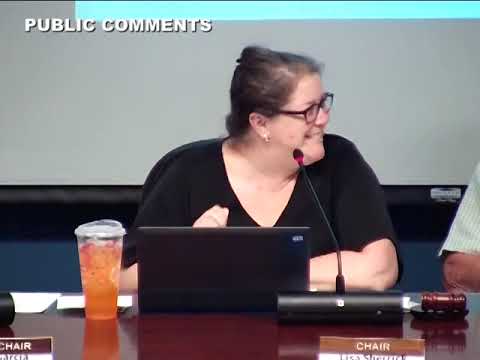
The motion to ratify the commission’s previous denial was made by Commissioner Pratt and seconded by Commissioner Daley. After additional brief comments and a roll call, the motion carried as recorded by the commission (the record shows the motion passed 6‑3 with one abstention). The meeting record indicates commissioners split along lines of policy fidelity to the TOD versus near‑term investment and blight reduction.
Public speakers raised specific details cited in the record: Mendoza referenced the applicant’s operations analysis (approximately 17 employees per shift and a total workforce of about 60 for a 3,700‑square‑foot building); opponents argued that a mixed‑use development could deliver more housing and longer‑term local economic benefits. The applicant said the small lot size (0.74 acres) limits the potential for larger mixed‑use development and argued that a first step of private investment can spur further growth in the corridor.
The commission concluded the matter by confirming the ratification vote and then moved on to commissioner reports and a director’s update; the meeting adjourned shortly after the votes and several procedural reports. The commission noted that an appeal would take the matter to the City Council if the applicant chooses to pursue it.
Next steps: the denial ratification stands unless the applicant appeals to the City Council.