Lifetime Citizen Portal Access — AI Briefings, Alerts & Unlimited Follows
ACS outlines Family Enrichment Centers, prevention services and foster‑parent recruitment for the Bronx
Loading...
Summary
ACS told Bronx community boards about Family Enrichment Centers, community partnerships and prevention services that are voluntary and free; staff highlighted contacts, service scope and a push to recruit foster homes for children with complex needs.
Stephanie Gendell, a deputy commissioner with the New York City Administration for Children’s Services, told Bronx community boards that ACS is highlighting local, voluntary supports aimed at keeping children with their families and connecting residents to community resources.
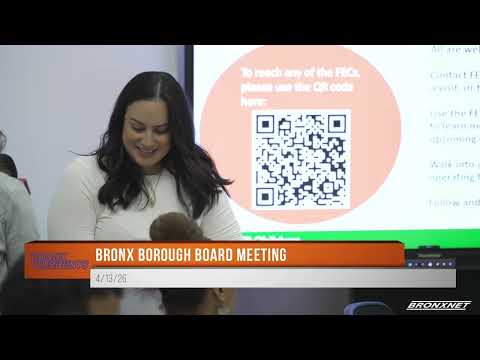
Lisa Marie Gordales, executive director for Family Enrichment Centers at ACS, described FECs as “warm and welcoming family center spaces” that are co‑designed with parents and open for walk‑in visits. She said the model is not case management and that families can use on‑site services such as food pantries, clothing closets and referrals without intake assessments. “They’re open to everyone in the community,” Gordales said.
Gordales said ACS operates 30 FEC contracts citywide and that nine FECs now serve the Bronx; the most recent Bronx contract began on 2026‑01‑01 for a site in the Pelham Parkway/Morris Park catchment. ACS encouraged community boards to connect with FEC directors directly, use posted flyers and follow FEC Instagram accounts to learn local hours and offerings.
Lisa Bowling, an assistant commissioner in the Family Services (Prevention) division, said the division partners with more than 40 provider agencies to run roughly 140 programs across the five boroughs, serving about 11,000 families and roughly 31,000 children annually. Services are voluntary, free and often provided in homes; typical engagement lasts 9–12 months for prevention programs, with some therapeutic services lasting 4–12 months. Bowling gave ACS’s support line for referrals and questions: (212) 676‑7667.
Tracy Wellman, executive director of the Family Assessment Program, reviewed community‑based alternatives for youth in crisis, including voluntary respite care (up to 30 days), mentoring, gender‑responsive groups and evidence‑based therapies. Wellman said the FAP office in the Bronx is staffed by licensed social workers who partner with families to avoid out‑of‑home placement when possible.
Karen Rivera, assistant commissioner for strategic program support, described efforts to expand the foster‑parent pool and to recruit homes able to support children with complex behavioral or medical needs, sibling groups and teenagers. Rivera said there are 1,405 foster homes in the Bronx and 4,241 foster homes citywide; she characterized the Bronx share as roughly one‑third of the city total.
During a community Q&A, board members asked whether FECs might incorporate as independent nonprofits and whether FECs serve families with children who have special medical needs. ACS staff said FECs are typically operated by community‑based organizations under ACS contracts but that separate special‑medical programs are available through Family Services and that the support line can help with referrals.
The briefing materials and flyers referenced at the meeting will be shared electronically with community boards, and ACS staff offered to help with tabling and Bronx Week outreach events.
Next steps: ACS asked boards to contact FEC directors or the ACS support line for program details and to help identify local partnership opportunities.