Lifetime Citizen Portal Access — AI Briefings, Alerts & Unlimited Follows
Staff reports widespread E. coli elevations in Clear Creek watershed; microbial source tracking and infrastructure checks recommended
Loading...
Summary
CBU staff presented results from a Clear Creek–Jackson Creek E. coli sampling project: 211 samples from 32 sites showed nearly 80% above the geometric-mean standard and 14% at test maximums. Staff recommended further microbial source tracking, targeted infrastructure inspection, and outreach.
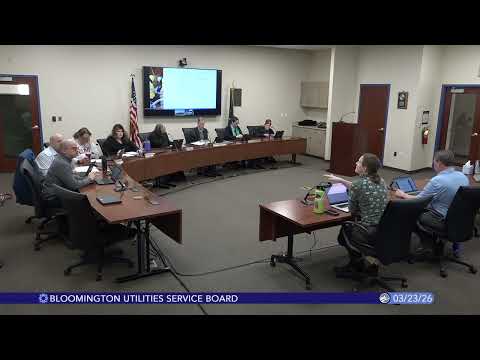
Evelyn Porter, a Clear Creek sampling fellow with the utilities’ environmental division, presented preliminary results from an October 2024–2026 sampling project of the Clear Creek–Jackson Creek watershed.
Porter said the project collected 211 samples across 32 sites, including nine rotating weekly sites, and found elevated E. coli concentrations across much of the watershed: roughly 79% of samples exceeded the 125 CFU/100mL geometric-mean standard and 63% exceeded the 235 CFU/100mL single-sample action level. About 14% of samples reached the undiluted test sensitivity maximum used by the lab. Porter said intra- and inter-site variability and episodic spikes after heavy rainfall suggest a mix of runoff-driven sources and potential dry-weather sources.
Potential sources Porter identified included outdoor pet and wildlife waste, limited local agricultural contributions, failing or poorly maintained septic systems in parts of the watershed, sanitary sewer overflows (SSOs) during heavy rainfall and possible sanitary sewer exfiltration. Staff reported 19 SSOs in the watershed during the project period, four of which were blockage-related and the remainder tied to two extreme-rainfall days. Porter said initial comparisons of pre- and post-event samples did not show a consistent pattern that would make SSOs the sole driver of elevated counts.
Porter and board members discussed next steps including expanded sampling, use of microbial source tracking (genetic markers to distinguish human versus animal sources), and targeted infrastructure investigation such as dye testing with Monroe County Health Department cooperation for septic or on‑site wastewater checks. Porter recommended continued outreach (pet‑waste removal, septic maintenance), continued monitoring, and potentially integrating findings into the Clear Creek Corridor renewal project to improve infiltration and buffer zones.
Board members asked about public-safety messaging and whether the city should advise people not to wade in streams. Porter said the system has no designated swimming sites subject to stricter recreational sampling rules and that nuanced messaging—advising against swimming or ingesting stream water—is appropriate rather than declaring a crisis. Porter said microbial source tracking contractors are available and quotes obtained so far were not prohibitive.
Porter said a full report will be posted publicly and staff will continue analysis to better distinguish source contributions and to inform possible municipal responses.