Lifetime Citizen Portal Access — AI Briefings, Alerts & Unlimited Follows
Panel considers HB324 to regulate virtual currency kiosks amid fraud findings
Loading...
Summary
Staff to Rep. Moore, AARP, industry and law‑enforcement‑facing witnesses debated HB324, which would license kiosks, require registration and reporting, impose holds and cap fees to address alleged widespread fraud and elder exploitation; CoinFlip defended its practices and offered data to the committee.
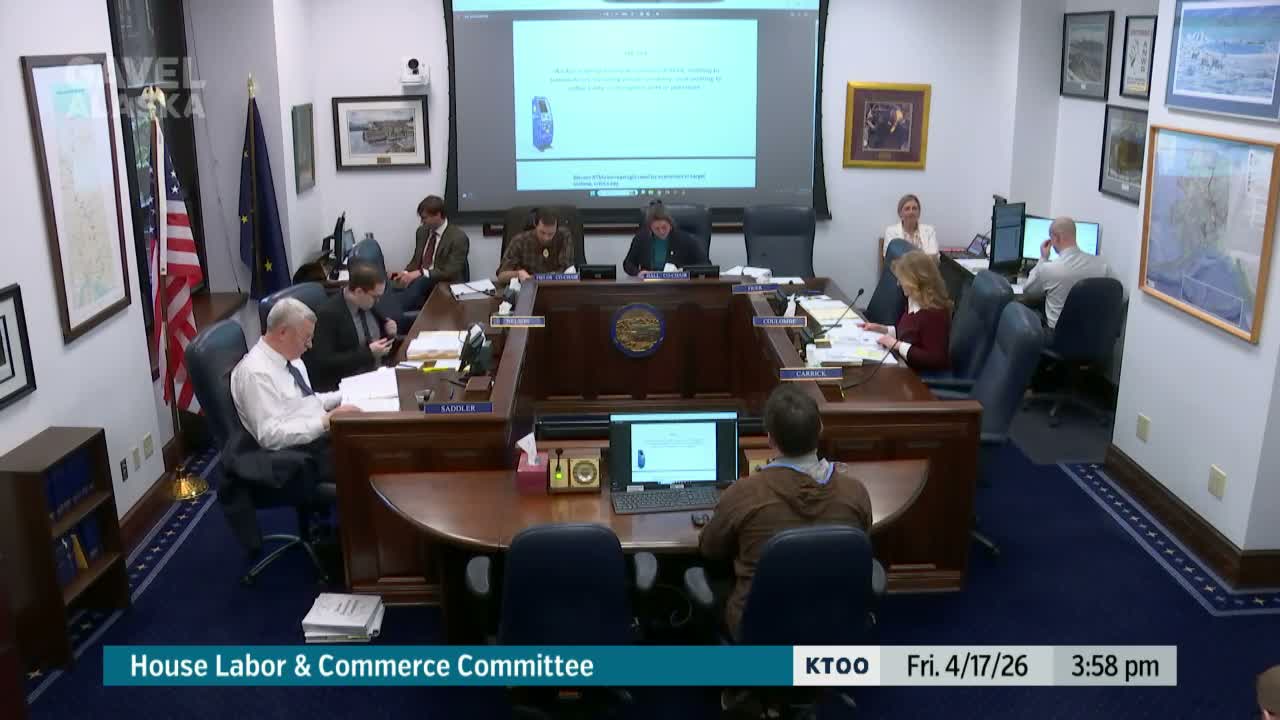
Inti Harbison, staff to Representative Alexi Moore, presented HB324 as a consumer‑protection measure to address what the sponsor described as rampant kiosk fraud. Harbison said recent investigations in other jurisdictions show a high share of kiosk transactions tied to scams and proposed measures including registration, money‑transmitter licensing, a 48‑hour hold for new accounts, reporting every 45 days to the department, fraud and anti‑money‑laundering safeguards, refund provisions for fraud victims, a $1,000 daily and $10,000 monthly transaction limit and a 3% fee cap.
Lehi Lynn Barr, government affairs director with AARP, testified that federal and state investigations show a sharp rise in kiosk‑related complaints and that older adults are disproportionately harmed. Barr cited FBI IC3 statistics and said investigators found operators whose transaction reviews showed 94% or 98% of transacted volume involved scam victims. "Criminals are stealing an average of $40,000 from older victims in crypto kiosk related fraud nationwide," she testified, and urged low limits, mandatory warnings and stronger reporting.
Jed Ruffers, director of law enforcement relations at CoinFlip, said kiosks serve legitimate customers and described the company's compliance work with law enforcement; he said CoinFlip's typical fees range across operators but often fall in the 12–18% range and that CoinFlip has two‑way kiosks in some markets. Ruffers offered to provide follow‑up data on how many kiosks are two‑way and exact fee and cash‑out proportions.
Committee members questioned whether the 48‑hour hold is sufficient for elder fraud, asked about the evidence linking kiosks to money laundering and discussed possible technical changes such as applying holds to all accounts or lengthening the hold. Members set an amendment deadline for Thursday, April 23 at 5 p.m. and will return the bill for further consideration.