Get Full Government Meeting Transcripts, Videos, & Alerts Forever!
Get email alerts on the Pharmacy Benefits topic
No spam. Unsubscribe anytime.
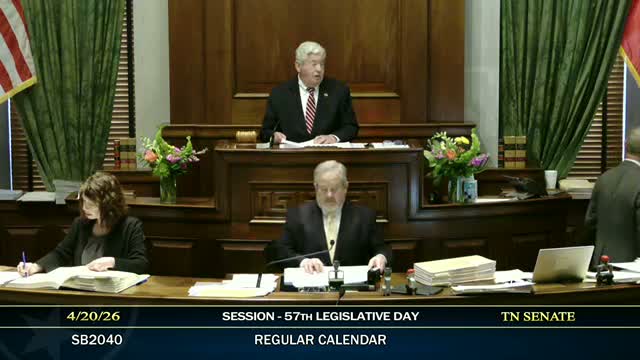
Senate rejects industry pushbacks and approves PBM divestiture bill to curb vertical integration
Summary
Senate Bill 20-40, which requires divestiture of pharmacy benefit managers' ownership interests in pharmacies and addresses alleged anti-competitive PBM practices, cleared third reading after extended debate about audits, access to specialty drugs and consumer protection.
Nashville — The Tennessee Senate passed Senate Bill 20-40 on third reading, a floor measure that would prohibit certain vertical integration by pharmacy benefit managers (PBMs), require divestiture of ownership interests over time and institute exclusions for hospitals, employer-owned pharmacies and military distributions.
Sponsor Senator Harshbarger told the Senate: "This bill does one thing. It calls for divestiture, and divestment does not equal closure," and pushed back on claims the measure would force pharmacies to close. (Senator Harshbarger)
Supporters cited state and federal audits they said documented systemic problems in PBM practices. On the floor Senator Harshbarger referenced audit findings: "A federal audit found that $615,000,000 in overcharges because required discounts and credits were not passed through," and described Tennessee audit results showing preferential reimbursement to PBM-owned pharmacies. (Senator Harshbarger)
Backers framed the bill as restoring competition, preventing patient steering and ensuring rebates and discounts benefit consumers. Senator Reeves said the bill sheds light on "vertical integration" and asked, "Is it in the best interest of Tennessee patients and Tennessee businesses for health insurance companies to own health insurance providers?" (Senator Reeves)
Opponents expressed concern about access, particularly for specialty drugs and rural patients, and warned that corporate responses could affect local pharmacies. Sponsor Harshbarger and supporters said the law allows compliance options and restructuring rather than mandated closures.
The Senate adopted committee amendments and several sponsor-filed amendments during consideration; the clerk recorded the vote and the presiding officer declared the bill passed. The bill proceeds to the next step in the legislative process.