Lifetime Citizen Portal Access — AI Briefings, Alerts & Unlimited Follows
Extension presents 2025 impact in Cook County, highlights spruce budworm outreach and Food-as-Medicine pilot
Loading...
Summary
University Extension staff told the committee about 2025 outreach and volunteer programs — including a spruce budworm guide and symposium — and described a Food-as-Medicine pilot to begin in 2026 that will deliver weekly produce boxes to clinic-referred participants.
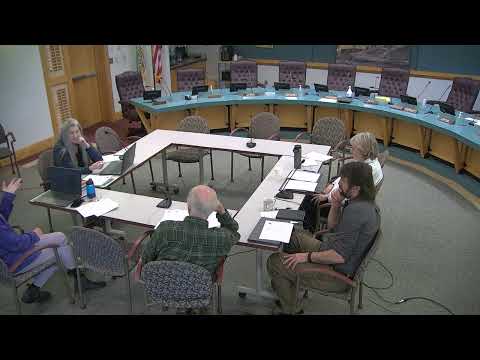
Carrie Cavan, regional director with Extension, and Sarah Waddle, the local extension educator and community center director, briefed the committee of the whole on Extension’s work in Cook County in 2025 and on multi-year projects that they say are producing measurable community benefits.
The presentation framed Extension’s mission as connecting community needs with university research and local partners. Cavan said the county–university partnership is governed by a state statute and that the local Extension committee (which includes Sharon Rothenbash and two county commissioners) helps ensure programming is responsive to resident needs. “Our goal today is really just to build a shared understanding about this partnership that we have with you,” Cavan said.
Waddle said Extension held educational programs and workshops in 2025 that drew more than 400 participant attendances locally; she emphasized the practical outcomes those events produce, from backyard gardening to private-land forest-health practices.
Among recurring volunteer programs Waddle highlighted, the Master Gardener Volunteer Program involved 14 volunteers in 2025 who together provided nearly 600 volunteer hours. Using the Independent Sector’s Minnesota hourly estimate of $34.79, the presentation noted that contribution equates to more than $20,000 in community value. Waddle also described the Master Naturalist program: 43 volunteers reported roughly 1,300 hours of service in 2025, work the presentation characterized as translating to over $50,000 of value. Master Naturalists support water-quality monitoring, shoreline restoration, invasive-species removal and trail maintenance.
On forest health, Waddle outlined Extension’s multi-year response to the spruce budworm outbreak. Extension produced a spruce budworm guide that was distributed or downloaded more than 700 times in 2025 and convened a sold-out full-day symposium with agency partners and field tours attended by 60 people. In a post-event evaluation, 81% of symposium attendees reported they felt significantly more confident about next steps for caring for woodland after the event.
Waddle said Extension uses regional and national research, and consults state natural-resources partners (including DNR forest-health researchers) when developing technical materials. When a commissioner asked what sources informed the brochure, she replied that regional forestry educators and DNR reviewers provided input and that research from adjacent jurisdictions has been used where relevant.
Waddle also traced years of local food-systems work to a 2013 regional study and described a Food-as-Medicine pilot funded through a grant to the Northwoods Food Project. The pilot, planned for 2026, is intended to serve about 10–12 clinic-referred participants who will receive a weekly box of fresh produce and accompanying nutrition education; produce will come from local farmers and the Northwoods Food Project will manage distribution. Waddle said the pilot aims to support participant health while creating reliable market demand for local growers. Committee members asked how the pilot’s outcomes would be measured; Waddle said qualitative measures and pre/post surveys are likely given the small initial cohort.
Committee members praised the breadth of outreach and the Extension newsletter’s reach (Waddle reported 600+ subscribers and a 60–70% open rate) and requested that Extension continue annual briefings and share printed copies of the spruce budworm booklet for township meetings.
What’s next: presenters said they will continue to share updates with county administrators and the commissioners, provide printed copies of outreach materials on request, and return to the committee in future years with additional impact data.