Lifetime Citizen Portal Access — AI Briefings, Alerts & Unlimited Follows
County accepts participatory‑budgeting evaluation and approves design changes for Cycle 2
Loading...
Summary
After evaluating Cycle 1, county staff recommended and the board accepted changes for PB Cycle 2 including equalized per‑community funding (~$625,000 each), tiered grant sizes, expanded technical assistance for smaller organizations and a September–January application timeline.
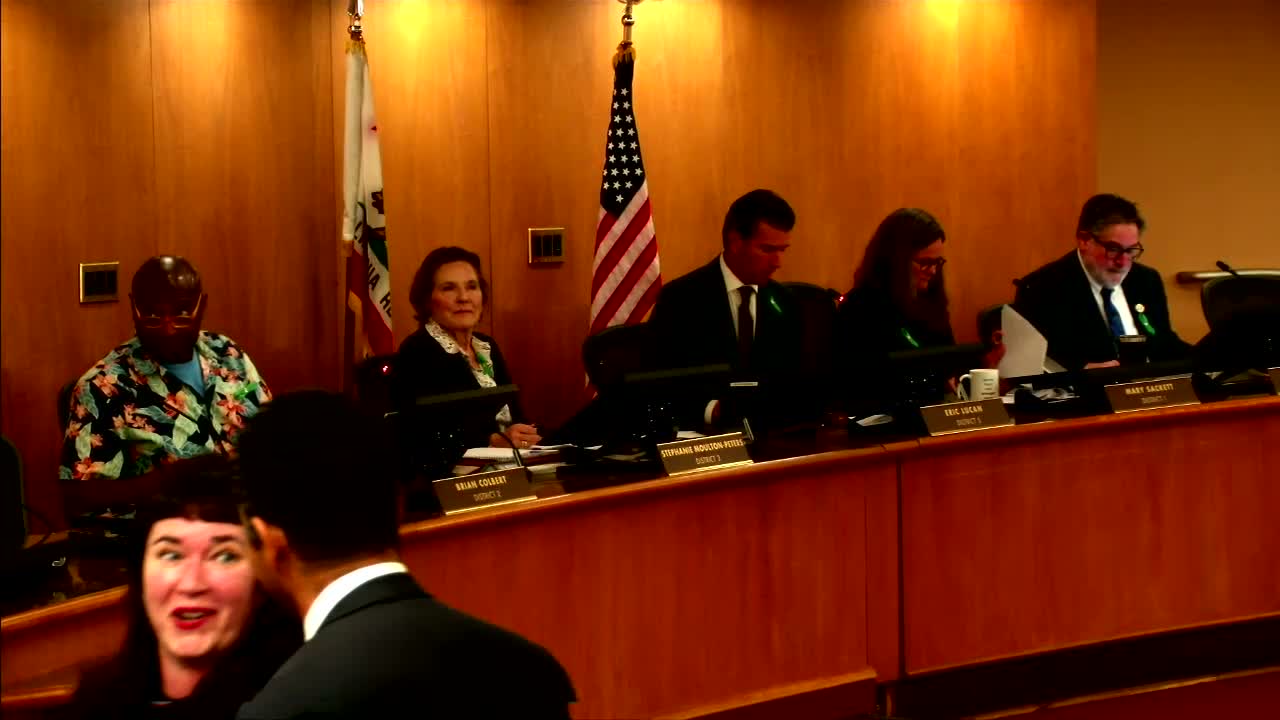
The Marin County Board of Supervisors on April 14 received an evaluation of the county’s first participatory‑budgeting (PB) cycle and approved staff recommendations for the design of Cycle 2.
Jamila Jordan, director of the Office of Equity, and Denia Candela summarized Cycle 1 results: the board originally allocated $2.5 million for PB, staff received more than 250 idea submissions, 24 projects were funded and staff estimate roughly 21,000 people have directly benefited from community investments. The Office of Equity’s third‑party evaluation found strong accessibility and multilingual outreach but uneven ballot distribution across priority communities and capacity challenges for smaller organizations.
Staff proposed several changes for Cycle 2 intended to improve equity and widen participation: divide the $2.5 million evenly across four priority communities so each receives approximately $625,000; create funding tiers (Tier 1: $2,500–$10,000; Tier 2: $10,000–$100,000; Tier 3: $100,000–$250,000) to enable both small grassroots projects and larger efforts; increase technical assistance and streamline application and reporting to reduce administrative burden; and run the ideas/application phase in September–January with a voting period to follow. Staff also recommended measures to improve ballot design transparency (how projects reach the ballot and vote totals) and to broaden outreach to underrepresented neighborhoods.
Supervisor Molton Peters moved to receive the report and accept the staff recommendations for PB Cycle 2; Supervisor Rodoni seconded and the motion passed. Board members praised the program’s capacity‑building effects and asked staff to consider how PB lessons might be integrated into longer‑term county grantmaking.
Several PB grantees and beneficiaries spoke in support during public comment, including representatives from local food‑rescue and youth music programs who described concrete benefits to participants.