Get Full Government Meeting Transcripts, Videos, & Alerts Forever!
Get email alerts on the Code Enforcement topic
No spam. Unsubscribe anytime.
Code enforcement reports FY25 performance, unveils community‑informed strategic plan and program metrics
Summary
Development Services presented FY25 code‑enforcement metrics—124,000 cases handled, a 75% proactivity rate and a 91% compliance rate—previewed a community‑informed strategic plan with five focus areas, and staff reviewed the proactive apartment inspection program and graffiti/production numbers.
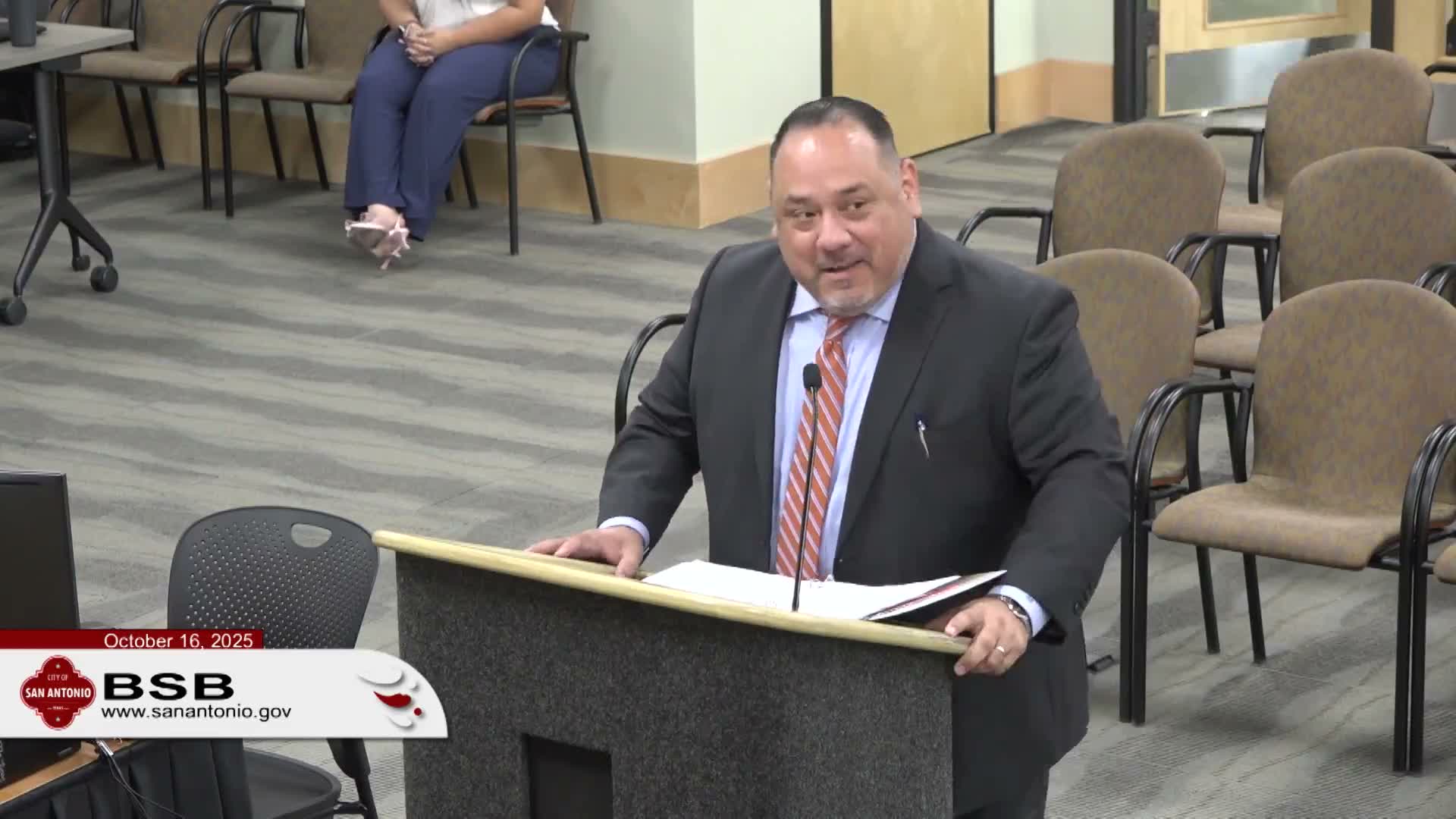
Danny Legas, code enforcement administrator, reported FY25 performance metrics and introduced a multi‑phase, community‑informed code‑enforcement strategic plan. Legas said staff handled roughly 124,000 cases during the year, with about 63,000 cases counted toward performance measures; the department reported a proactivity rate of 75% (above a 65% goal) and a compliance rate of about 91%.
Legas said graffiti abatement increased substantially, with more than 70,000 sites abated and one‑day turnaround for reported graffiti. He described the strategic plan process—driven by a council consideration request and multiple community listening sessions—and laid out five focus areas: communication, educational materials, balancing proactive vs. reactive work, prioritizing vacant lots (especially around schools/daycares) and hardship referral pathways. Staff presented an implementation timeline with community sessions and planned council briefings in late 2025 and early 2026.
Dale Russell reviewed the Proactive Apartment Inspection Program (PAIP): the ordinance (effective 04/02/2023) is triggered by points for repeat violations; enrollment requires three points in six months, and enrolled complexes are subject to monthly proactive inspections and a unit fee ($100 per unit annually) for cost recovery. Russell said 51 complexes have entered the program historically, 25 are currently enrolled, 24 have graduated, and 2 are reenrolled. He said the program is fail‑in (complaint‑driven) and that many complexes correct deficiencies when they near program thresholds.
Mike Eresdi presented production numbers tied to illegal dumping and encampment cleanups: solid-waste cleanup crews cleared more than 12,000 illegal-dumping locations and collected approximately 3,804 tons of material in FY25. Board members asked about budget implications, repeated‑offender sites and coordination with SAPD camera pilots; staff said the camera pilot produced limited prosecutions and that camera programs require intensive staff time to maintain and review footage.