Get Full Government Meeting Transcripts, Videos, & Alerts Forever!
Get email alerts on the Housing Discrimination topic
No spam. Unsubscribe anytime.
Tribal housing official tells U.S. Civil Rights advisory committee landlords raised rents, denied applications and left families homeless
Summary
Charles Waseke, executive director of the Eastern Shoshone Housing Authority, told the Wyoming advisory committee to the U.S. Commission on Civil Rights that landlords raised rents during federal rental-assistance payments, were selective against tribal renters, and that the authority faces severe overcrowding and mortgage-lending barriers; the committee will fold his testimony into a draft report and aim to review a fuller draft in July.
Charles Waseke, executive director of the Eastern Shoshone Housing Authority, told the Wyoming advisory committee to the U.S. Commission on Civil Rights on May 1 that emergency rental-assistance payments prompted some local landlords to raise rents sharply and that many tribal families face denial of rental applications, overcrowding and obstacles to mortgages.
Waseke said that during the Treasury Emergency Rental Assistance program his office sometimes paid up to 12 months of rent for families and that "as soon as they found out that, we were paying up to 12 months of rent for the participants... that automatically the rent went up, almost doubled." He said some families were evicted after the payments ended because they could not afford the higher rates.
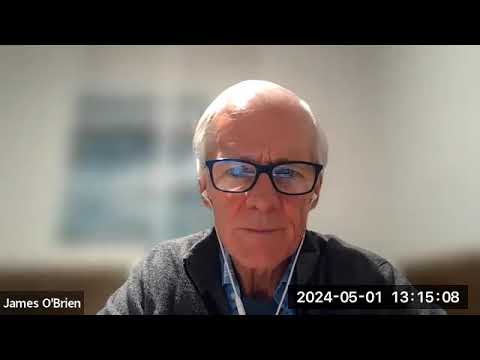
The testimony was part of a Zoom briefing convened to gather evidence on potential housing discrimination and fair-housing practices in Wyoming. Committee staff said the testimony will be incorporated into a draft committee report to be reviewed by members before a July meeting.
Waseke told the committee about other practical barriers tribal members face: a waiting list of about 82 families and an overall local estimate of "maybe a little over a 100" families he considers homeless, including people living in campers without electricity or running water. "I have a waiting list of about 82 families. And, I consider them all homeless," he said.
He described landlord screening practices that favor smaller households and tenants with Section 8 vouchers, and said landlords often rely on credit checks or demand employment paperwork that tribal applicants may not have. "A lot of them had their credit was too low," he said, adding that landlords sometimes refused to give applications to prospective tenants.
Waseke reported receiving numerous verbal complaints that landlords were "skirting around" the issue of nationality when denying applications — for example, suggesting applicants would be "out of place here" — and said few tenants pursued formal complaints through housing authorities or federal channels.
He also said local lending practices have blocked homeownership for some tribal participants. After describing a local bank that refused to process mortgage loans for his program's participants, Waseke said his authority moved deposits to another bank that agreed to work with their homeownership classes and loan partners.
Waseke described development plans and financing challenges: he expects to bring roughly 51 units into play this year through a mix of 21 low-rent units and 15 homeownership units, plus scattered-site homeownership, but said tax-credit and grant programs impose constraints and projects must be self-sustaining.
Committee members pressed for remedies and enforcement options, asking whether Wyoming has an office to receive discrimination complaints and whether federal agencies such as HUD might get involved. Kayla, the staff member who drafted the committee's background, said the draft report expands on HUD's responsibilities, the Federal Fair Housing Act, the Wyoming Fair Housing Act and state certification processes; she said she will add Waseke's testimony to the findings and begin drafting recommendations.
The committee approved minutes by voice vote during the meeting and agreed to an extended comment window rather than a short deadline for edits; members tentatively targeted a July meeting to review a fuller draft of the report.
The advisory committee's work is part of the U.S. Commission on Civil Rights' fact-finding process; committee findings and recommendations are forwarded to the full commission and to appropriate federal and state agencies for possible action.