Get Full Government Meeting Transcripts, Videos, & Alerts Forever!
Get email alerts on the Pensions topic
No spam. Unsubscribe anytime.
Council fails to advance resolution on officers joining state retirement plan after fiscal questions
Summary
Council heard R-26-10 to authorize participation in the Maryland LEOPS pension plan; staff said officers would contribute 12% and any city cost depends on a state assessment (no full fiscal estimate available); motion failed and staff were asked to prepare numbers.
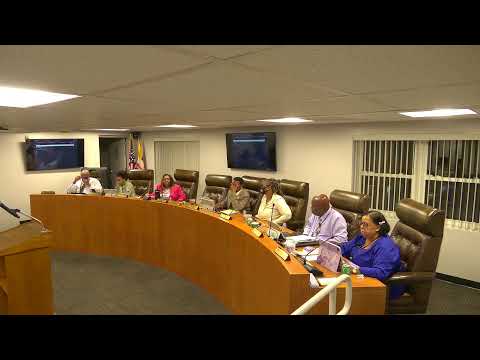
Council considered Resolution R-26-10 to authorize the City of Seat Pleasant’s participation in the Maryland State retirement plan for law enforcement officers (LEOPS).
A staff representative explained that participating officers would have 12% deducted from their pay and that the state performs an assessment to determine any employer liability. "The officers will contribute the 12%...the assessment is done by the state yearly," the staff member said, and cautioned that the city would not know any employer contribution until the state assessment is completed. Staff said any city payments would not be required until FY28; deductions for officers would be effective July 1 if the process is completed.
Council members pressed for clarity on the city’s fiscal exposure. One council member asked, "What is the cost to the city for this?" Staff replied they did not have the full assessment and could not provide exact numbers that night. After discussion the moderator noted the motion failed in the session and asked staff to prepare an estimate of fiscal impacts for council consideration.
Why it matters: moving the city into the state retirement system affects payroll deductions for officers and can create future employer obligations based on a state actuarial assessment. Council declined to advance the measure without clearer fiscal data.
What happens next: staff were directed to prepare a fiscal estimate and return with numbers so the council can evaluate the full cost implications before voting again.